

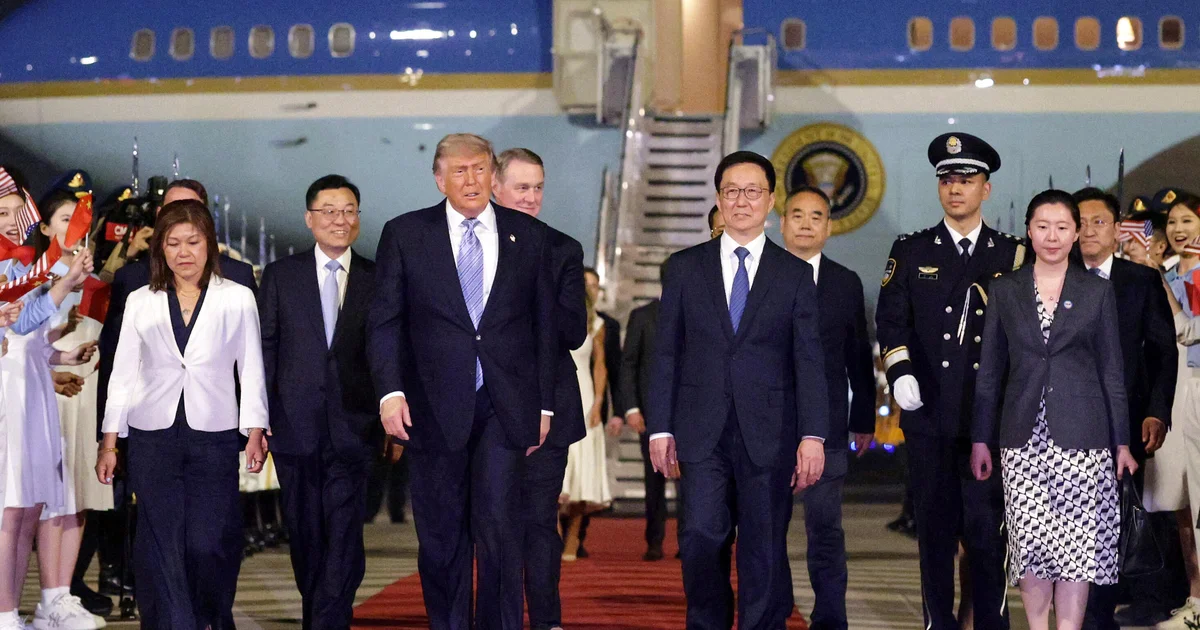
Business leaders and political figures often work together when major international deals are involved. Recently, several powerful American CEOs reportedly joined former U.S. President Donald Trump on a high-profile visit to China. Together, these business executives represent companies worth nearly $1 trillion combined, making this trip one of the most talked-about business and political events in recent times.
The visit has gained global attention because it highlights the growing connection between politics, global trade, and big business. Many experts believe the trip could influence future economic relations between the United States and China.
Why the China Visit Matters
China is one of the world’s largest economies and an important trading partner for the United States. American companies depend heavily on Chinese manufacturing, technology markets, and consumers. At the same time, China benefits from investments and partnerships with U.S. businesses.
The trip is important because tensions between the two countries have increased in recent years over issues such as:
- Trade restrictions
- Technology competition
- Tariffs
- Supply chains
- National security concerns
By traveling together, political and business leaders are sending a message that economic cooperation still matters despite disagreements.
Which CEOs Are Involved?
Reports suggest that several major business executives from industries such as technology, finance, manufacturing, and energy are part of the visit. These CEOs lead some of America’s most valuable companies and influence global markets.
Possible sectors represented include:
- Technology companies
- Banking and finance
- Automobile manufacturers
- Energy corporations
- Artificial intelligence firms
Many of these companies already have large operations in China or depend on Chinese consumers and factories.
Business Interests Behind the Visit
For large corporations, maintaining a good relationship with China is extremely important. China offers:
- A huge consumer market
- Manufacturing capabilities
- Access to raw materials
- Technology partnerships
- Investment opportunities
Many CEOs are likely hoping to:
- Improve trade opportunities
- Reduce political tensions
- Protect supply chains
- Expand international business operations
Some experts also believe the visit may open doors for future investment agreements between American and Chinese businesses.
Trump’s Role in the Visit
Donald Trump remains one of the most influential political figures in America. During his presidency, he focused heavily on trade negotiations with China and introduced tariffs on Chinese goods.
Although his policies often created tension between the two countries, Trump also emphasized the importance of making better trade deals for American businesses.
This visit may help strengthen communication between U.S. business leaders and Chinese officials while also showing Trump’s continued influence in global business discussions.
Economic Impact of the Trip
When CEOs from trillion-dollar companies travel together for international meetings, global markets pay attention. Investors often watch these visits closely because they can affect:
- Stock prices
- Trade agreements
- Currency markets
- Technology partnerships
- Manufacturing costs
If positive business agreements result from the trip, both the American and Chinese economies could benefit.
Potential outcomes may include:
- Reduced trade tensions
- Increased exports
- New investments
- Improved business confidence
- Better cooperation in technology and energy sectors
Concerns and Criticism
Not everyone supports closer business ties between the United States and China. Some critics worry about:
- National security risks
- Dependence on Chinese manufacturing
- Intellectual property concerns
- Data privacy issues
- Political tensions
American lawmakers from both political parties have raised concerns about allowing critical industries to rely too heavily on China.
Because of this, CEOs participating in the visit may face questions about balancing profit opportunities with national interests.
The Growing Connection Between Politics and Big Business
This trip also highlights how closely politics and business are connected in today’s global economy. Large corporations often work with governments to:
- Expand international trade
- Secure investments
- Navigate regulations
- Build diplomatic relationships
Business leaders understand that political decisions can directly affect company profits, global operations, and future growth.
At the same time, governments recognize that major corporations play a huge role in economic development and job creation.
What This Means for the Future
The visit could shape future relations between the United States and China for years to come. If discussions lead to stronger cooperation, businesses may gain more confidence in international expansion.
However, challenges between the two countries are unlikely to disappear completely. Competition in areas like:
- Artificial intelligence
- Semiconductor manufacturing
- Electric vehicles
- Cybersecurity
- Global trade leadership
will continue to influence future negotiations.
Still, the involvement of America’s top CEOs shows that business leaders remain interested in maintaining economic connections with China despite political tensions.
Conclusion
The decision by top U.S. CEOs worth nearly $1 trillion combined to accompany Donald Trump to China demonstrates the powerful relationship between politics, global trade, and big business.
As the world’s two largest economies continue to compete and cooperate at the same time, meetings like this could play a major role in shaping the future of international business. Whether the visit leads to new trade opportunities or simply opens communication channels, it has already become an important moment in global economic discussions.
FAQs
1. Why are U.S. CEOs visiting China with Donald Trump?
They are likely visiting to discuss trade, business opportunities, investment, and economic cooperation between the United States and China.
2. Why is China important for American companies?
China offers a massive consumer market, manufacturing facilities, and business growth opportunities for many U.S. corporations.
3. How could this trip affect the economy?
The visit could improve trade relations, increase investments, and strengthen business confidence between both countries.
4. What industries are most interested in China?
Technology, finance, manufacturing, energy, and automotive industries are highly interested in the Chinese market.
5. Are there concerns about closer U.S.-China business ties?
Yes. Critics worry about national security, supply chain dependence, intellectual property protection, and data privacy issues.
