

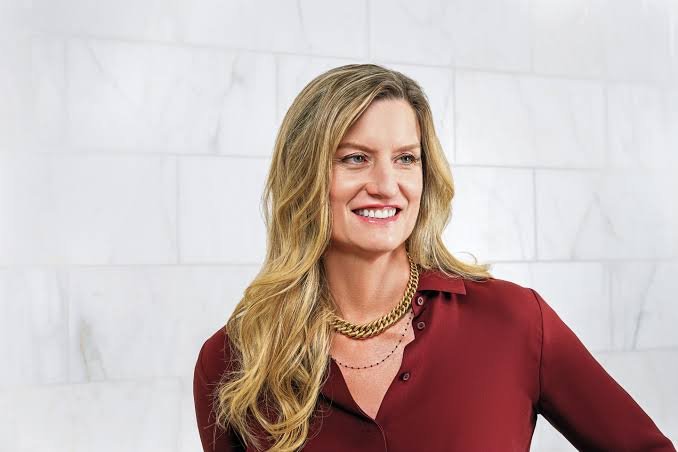
In the world of retail, only a few leaders have successfully adapted to changing customer needs while keeping their companies strong. One of those leaders is Laura J. Alber, the CEO of Williams-Sonoma. Under her leadership, the company has grown from a well-known home furnishings retailer into one of the most successful lifestyle brands in the world.
Laura J. Alber is recognized for her smart business strategies, focus on digital innovation, and ability to understand what customers want. Her leadership has helped Williams-Sonoma achieve impressive growth while maintaining its reputation for quality products and excellent customer service.
In this article, we’ll explore how Laura J. Alber transformed Williams-Sonoma into a retail powerhouse and what business leaders can learn from her success.
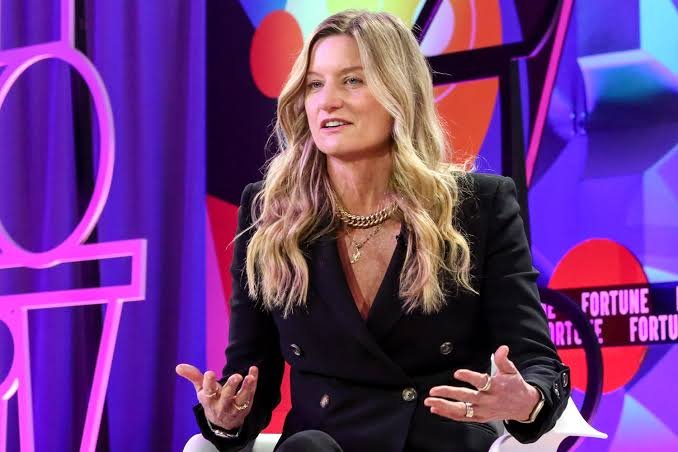
Who Is Laura J. Alber?
Laura J. Alber is an American business executive who has served as the President and CEO of Williams-Sonoma, Inc. since 2010. She joined the company in 1995 and held several leadership positions before becoming CEO.
Before leading Williams-Sonoma, Alber worked in brand management and marketing, where she gained valuable experience in understanding consumer behavior. Her background helped her create strategies that focused on customer experience rather than simply selling products.
Today, she is considered one of the most respected female CEOs in the retail industry.
Understanding Williams-Sonoma
Williams-Sonoma is a leading American retailer specializing in home furnishings, kitchenware, furniture, and home décor. The company owns several popular brands, including:
- Williams Sonoma
- Pottery Barn
- West Elm
- Pottery Barn Kids
- Pottery Barn Teen
- Rejuvenation
- Mark & Graham
- GreenRow
These brands serve millions of customers across North America and other international markets.
Leading the Digital Transformation
One of Laura J. Alber’s biggest achievements has been embracing digital technology early.
While many traditional retailers struggled with online shopping, Alber invested heavily in e-commerce. She believed that customers wanted the flexibility to shop whenever and wherever they liked.
Today, a significant portion of Williams-Sonoma’s revenue comes from online sales. The company’s websites and mobile platforms offer a smooth shopping experience, making it easier for customers to browse, compare products, and make purchases.
Her digital-first strategy helped the company stay competitive during major changes in the retail industry.
Building Strong Lifestyle Brands
Instead of focusing on a single retail brand, Laura J. Alber strengthened multiple lifestyle brands under the Williams-Sonoma umbrella.
Each brand targets a different audience:
- Pottery Barn focuses on stylish home furniture.
- West Elm appeals to modern and contemporary homeowners.
- Williams Sonoma serves cooking enthusiasts with premium kitchen products.
- Mark & Graham offers personalized gifts and accessories.
This diversified approach allows the company to reach customers at different stages of life while reducing business risk.
Focusing on Customer Experience
Laura J. Alber understands that successful retail is about more than products.
She has consistently focused on delivering a better customer experience through:
- High-quality merchandise
- Excellent customer service
- Personalized recommendations
- Fast delivery options
- Easy online ordering
- Seamless shopping across stores and digital platforms
By keeping customers at the center of every decision, Williams-Sonoma has built strong brand loyalty.
Innovation and Product Quality
Innovation has always been a major part of Alber’s leadership.
The company regularly introduces new collections, sustainable products, and exclusive partnerships with designers and celebrities.
Williams-Sonoma also invests in product development to ensure customers receive durable, stylish, and functional home products.
This commitment to quality helps the company stand out in a highly competitive retail market.
Commitment to Sustainability
Laura J. Alber has also made sustainability an important business priority.
Williams-Sonoma has introduced several environmental initiatives, including:
- Responsibly sourced wood
- Organic cotton products
- Sustainable manufacturing practices
- Reduced packaging waste
- Ethical supply chain standards
These efforts not only support the environment but also appeal to modern consumers who value responsible businesses.
Navigating Economic Challenges
The retail industry has experienced many challenges, including economic slowdowns, changing shopping habits, and global supply chain disruptions.
Laura J. Alber successfully guided Williams-Sonoma through these difficult periods by:
- Improving inventory management
- Expanding online operations
- Maintaining financial discipline
- Investing in technology
- Responding quickly to market changes
Her ability to make smart decisions during uncertain times has strengthened the company’s long-term success.
Leadership Style
Laura J. Alber is known for her collaborative and customer-focused leadership style.
Some key qualities include:
- Long-term strategic thinking
- Data-driven decision-making
- Encouraging innovation
- Supporting employee development
- Maintaining strong corporate values
- Focusing on sustainable growth
Her leadership creates a culture where employees are motivated to deliver excellent results while continuously improving the business.
Lessons Entrepreneurs Can Learn
Laura J. Alber’s career offers valuable lessons for entrepreneurs and business leaders.
1. Put Customers First
Understanding customer needs is the foundation of long-term business success.
2. Embrace Digital Innovation
Technology should be viewed as an opportunity to improve customer experiences.
3. Build Strong Brands
A trusted brand creates customer loyalty and long-term growth.
4. Adapt to Change
Successful companies continuously evolve with changing market trends.
5. Focus on Sustainability
Responsible business practices can strengthen both reputation and customer trust.
The Future of Williams-Sonoma
Under Laura J. Alber’s leadership, Williams-Sonoma continues to invest in digital innovation, premium products, sustainability, and global expansion.
As consumer preferences continue to evolve, the company remains well-positioned to grow while maintaining its reputation as one of the world’s leading home retail companies.
Her leadership demonstrates that combining innovation, customer focus, and strategic planning can create lasting success in the retail industry.
Conclusion
Laura J. Alber has transformed Williams-Sonoma into a retail powerhouse by embracing digital transformation, strengthening multiple lifestyle brands, improving customer experiences, and promoting sustainable business practices. Her forward-thinking leadership has helped the company remain competitive in a rapidly changing retail landscape.
For aspiring entrepreneurs, executives, and business professionals, Laura J. Alber’s journey serves as an inspiring example of how innovation, adaptability, and customer-first thinking can drive long-term success.
