

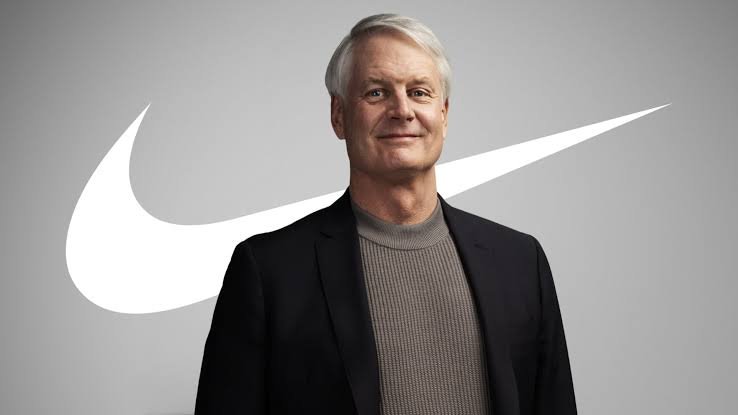
Nike is one of the most recognized sportswear brands in the world. Its famous Swoosh logo, innovative sneakers, and powerful sports campaigns have made it a global name. However, even a successful company can lose its momentum. In recent years, Nike has faced challenges with product innovation, retail partnerships, competition, and changing consumer preferences.
To address these problems, Nike brought back Elliott Hill, a longtime company executive, as its President and CEO in October 2024. His mission is to restore Nike’s connection with athletes, strengthen its products, and rebuild the brand’s position in the global sportswear market.
As of October 2026, Nike’s turnaround remains a work in progress. Hill has started making important changes, but the company still faces significant challenges.
Who Is Elliott Hill, Nike’s Returning CEO?
Elliott Hill is a veteran Nike executive who spent more than three decades working at the company. He joined Nike in 1988 and held several leadership positions across sales, consumer experience, and regional operations.
Hill retired from Nike in 2020 but returned in 2024 to replace John Donahoe as CEO. His long experience with the company made him a natural choice for a leadership role during a difficult period.
Unlike an outside executive, Hill already understands Nike’s culture, products, employees, and relationships with athletes and retailers. This experience gives him an advantage when making important business decisions.
However, knowing the company is only one part of the challenge. Hill must also respond to changing customer expectations and stronger competition from other sportswear brands.
Why Does Nike Need to Rebuild Its Brand?
Nike’s difficulties developed over time. The company faced concerns about product innovation, an excessive focus on established sneaker styles, and weaker relationships with some wholesale partners.
Nike had also increased its focus on selling directly to consumers through its own stores and digital platforms. Although direct sales can improve customer relationships and provide valuable data, reducing the role of retail partners can limit a brand’s reach.
At the same time, competitors such as Adidas, Hoka, and On gained attention in important footwear categories.
Customers increasingly expect comfortable products, better performance, fresh designs, and good value for money. Nike needs to deliver these qualities while maintaining the brand identity that made it successful.
How Elliott Hill Is Changing Nike’s Strategy
Hill’s approach focuses on returning Nike to its sporting roots. Instead of depending too heavily on lifestyle products and familiar sneaker designs, the company is working to place athletes, sports, and product innovation at the center of its business.
1. Focusing on Sports and Innovation
Nike’s long-term strength comes from developing products for athletes. Running shoes, basketball footwear, training apparel, and other performance products are important areas for the company.
Hill wants Nike to create products that solve real problems for athletes. Better comfort, improved performance, and useful technology can help the brand attract customers who want more than a recognizable logo.
Innovation is particularly important because customers have more choices than ever before.
2. Rebuilding Retail Partnerships
Wholesale retailers remain an important part of Nike’s business. Many customers prefer to compare products in physical stores before making a purchase.
Rebuilding relationships with retail partners can help Nike improve product availability, reach new customers, and present its collections more effectively.
A balanced strategy that combines Nike’s own stores, online platforms, and independent retailers could strengthen its position in the market.
3. Reducing Excess Inventory
When companies produce too many products or release similar styles too frequently, they may need to offer heavy discounts to clear inventory.
Frequent discounting can reduce profit margins and weaken a brand’s premium image.
Nike has been working to improve inventory management and reduce the oversupply of certain popular footwear styles. A healthier marketplace could help the company protect product value and make new releases more attractive.
4. Connecting With Younger Consumers
Younger shoppers often look for products that combine sports performance, fashion, comfort, and cultural relevance.
Nike has historically used athlete partnerships, sports events, and creative advertising to connect with these audiences. The company must continue developing relevant campaigns and products while responding to local customer preferences.
Strong storytelling can attract attention, but products must also deliver the quality and value that customers expect.
The Challenges Nike Still Faces in 2026
Despite changes under Hill’s leadership, Nike’s recovery has been slower than many investors hoped.
Reuters reported in October 2026 that the company continued to struggle with weakness in China, its sportswear business, and the Jordan brand. Nike also announced further job cuts and warned of steeper sales and profit declines through fiscal 2028.
China is especially important because it represents a major market for global sportswear companies. Nike must compete with local brands while responding to changing consumer demand.
The company also faces pressure to develop new products quickly without sacrificing quality. Rebuilding retailer relationships and improving inventory management take time, and these changes may not immediately improve financial performance.
Nike therefore needs more than cost reductions. It must demonstrate that its products can win customer interest and generate sustainable demand.
What Nike’s Comeback Means for the Sportswear Industry
Nike’s turnaround offers an important lesson for other global brands: past success does not guarantee future growth.
Companies must continue investing in innovation, listening to customers, and maintaining strong relationships with their business partners. A famous logo can attract attention, but product quality and customer experience help build long-term loyalty.
Hill’s return also highlights the benefits and limitations of appointing an experienced insider. An insider understands the company’s history and culture, but must still make difficult decisions and adapt to a changing market.
Nike’s recovery will depend on whether it can combine its traditional strengths with new ideas, relevant products, and better execution.
Conclusion
Nike brought Elliott Hill back because the company needed an experienced leader who understood its history and could help restore its sporting identity. His strategy focuses on innovation, stronger retail partnerships, improved inventory management, and closer connections with athletes.
However, rebuilding a global brand is not a quick process. Nike still faces challenges in China, sportswear, and competition, while investors are waiting for clearer evidence of lasting progress.
The key question is no longer whether Hill understands Nike. It is whether his leadership can turn that knowledge into products customers want and growth the company can sustain.
