

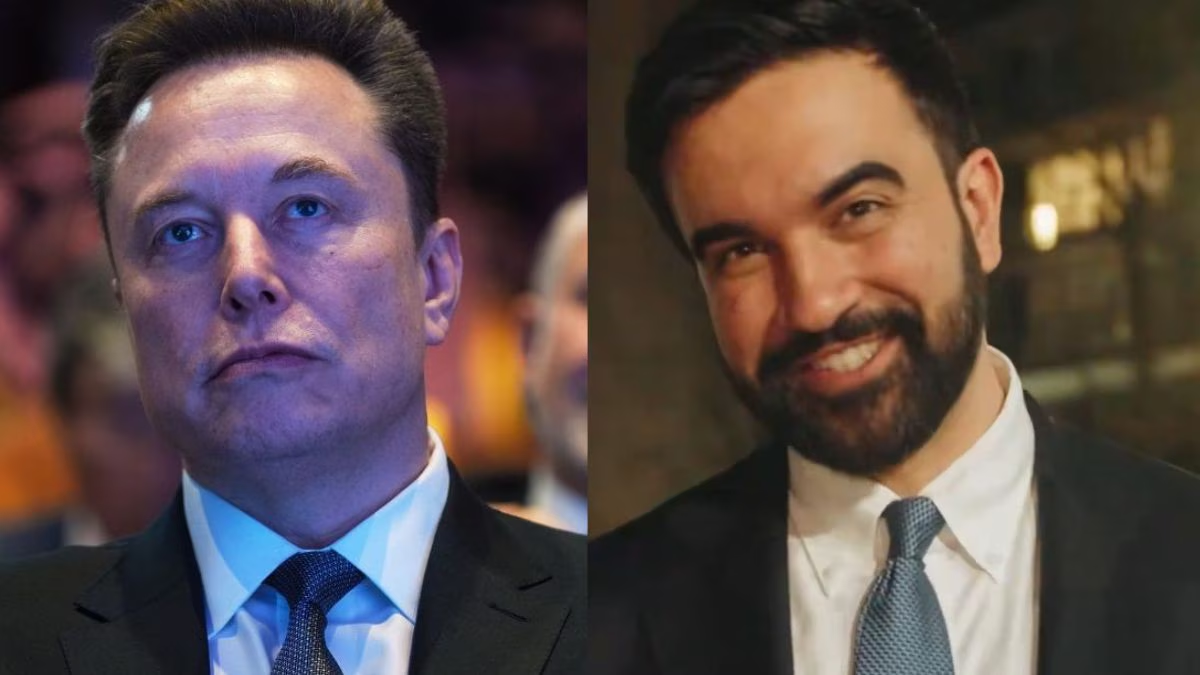
The debate over taxing the rich has once again become a hot topic in the United States. This time, the discussion gained attention after politicians, journalists, and business supporters argued over comments linked to billionaire entrepreneur Elon Musk and progressive political ideas supported by Zohran Mamdani.
A recent online debate between journalists became viral after one side supported higher taxes on billionaires, while others argued that successful business leaders should not be punished for creating wealth and jobs. The statement, “Hope Musk becomes the world’s first trillionaire,” became a symbol of the growing divide between supporters of capitalism and advocates of wealth redistribution.
In this blog, we will explore the controversy, understand both sides of the debate, and look at how this discussion could impact the economy, businesses, and ordinary people.
Why the Debate Started
The controversy began when discussions around “tax the rich” policies became popular again in American politics. Progressive leaders believe billionaires and large corporations should pay more taxes to reduce income inequality and support public services like healthcare, education, and housing.
During the debate, some journalists supported the idea that ultra-rich individuals should contribute more money to society through higher taxes. Others defended entrepreneurs like Elon Musk, arguing that innovation and economic growth happen because people are rewarded for taking risks.
The argument quickly spread across social media platforms, where users strongly supported either side.
Elon Musk at the Center of the Discussion
Elon Musk is often involved in debates about wealth because he is one of the richest people in the world. His companies, including Tesla and SpaceX, have changed industries such as electric vehicles, space travel, and artificial intelligence.
Supporters of Musk say:
- He creates jobs for thousands of people
- He drives innovation and technology
- His businesses help the economy grow
- Success should be rewarded, not punished
Many people believe that if someone builds successful companies that benefit society, becoming extremely wealthy is acceptable.
This is why some commentators said they “hope Musk becomes the world’s first trillionaire.”
What Does “Tax the Rich” Mean?
“Tax the rich” is a political slogan used by leaders who want wealthy individuals and corporations to pay higher taxes.
Supporters believe this can:
- Reduce the gap between rich and poor
- Fund public welfare programs
- Improve healthcare and education
- Create economic fairness
Some progressive politicians argue that billionaires hold too much wealth while many ordinary Americans struggle with inflation, rent, and healthcare costs.
The debate becomes emotional because it touches on fairness, opportunity, and the future of capitalism.
Zohran Mamdani’s Role in the Debate
Zohran Mamdani is known for supporting progressive economic ideas. He has spoken in favor of stronger social programs and policies that ask wealthy individuals to contribute more through taxation.
His supporters believe:
- Billionaires should pay their “fair share”
- Wealth inequality is becoming dangerous
- Higher taxes can improve society
Critics, however, say these policies may discourage investment, business growth, and entrepreneurship.
This disagreement created a fiery argument among journalists and political commentators online.
Why Journalists Clashed Online
The discussion became heated because both sides strongly defended their opinions.
Some journalists argued:
- Billionaires should not control too much wealth
- Extreme inequality hurts society
- Tax policies should support working-class families
Others responded:
- Wealth is often created through innovation
- Entrepreneurs already pay large amounts in taxes
- High taxes may push businesses away from the US
The debate quickly turned personal, with people accusing each other of supporting either “greedy billionaires” or “anti-business socialism.”
Social media platforms made the clash even more intense as millions of users joined the conversation.
The Bigger Issue: Wealth Inequality
The argument is not only about Elon Musk. It reflects a larger issue in America and around the world: wealth inequality.
Today, many people feel frustrated because:
- Living costs are rising
- Housing is expensive
- Salaries are not increasing fast enough
- Billionaires continue becoming richer
At the same time, business supporters argue that successful entrepreneurs create opportunities, jobs, and new technologies that improve life for everyone.
This creates a difficult question:
How can governments encourage innovation while also reducing inequality?
Could Elon Musk Become a Trillionaire?
Some financial experts believe Elon Musk could eventually become the world’s first trillionaire if his companies continue growing rapidly.
Businesses connected to Musk include:
- Electric vehicles
- Artificial intelligence
- Space technology
- Robotics
- Internet services
If these industries continue expanding globally, Musk’s wealth could increase dramatically over the next decade.
However, critics argue that no individual should hold that much wealth while millions struggle financially.
This is why the trillionaire discussion became politically controversial.
Impact on Politics and Elections
The “tax the rich” debate is expected to remain important in future US elections.
Progressive politicians may continue demanding:
- Higher taxes on billionaires
- Corporate tax reforms
- Wealth taxes
Meanwhile, pro-business leaders may argue for:
- Lower taxes
- More economic freedom
- Encouraging innovation and investment
Voters are divided because many Americans support both economic growth and social fairness.
Public Reactions on Social Media
Social media users had mixed reactions to the debate.
Some comments supported Musk:
- “Innovation deserves rewards.”
- “Successful people should not be punished.”
- “Musk creates jobs and technology.”
Others supported wealth taxes:
- “No one needs billions while people suffer.”
- “The rich should contribute more.”
- “Economic inequality is out of control.”
The online clash showed how divided public opinion has become on economic issues.
Conclusion
The fiery debate over “tax the rich” policies and Elon Musk’s growing wealth reflects a major political and economic divide in modern America. Supporters of billionaires believe innovation and entrepreneurship should be rewarded, while critics argue that extreme wealth inequality harms society.
As politicians like Zohran Mamdani continue pushing for higher taxes on the wealthy, and entrepreneurs like Elon Musk continue expanding their businesses, this discussion is likely to remain in headlines for years.
The question remains:
Should society celebrate trillionaires, or should governments place stronger limits on extreme wealth?
The answer will shape the future of politics, business, and the global economy.
FAQs
1. What does “tax the rich” mean?
It refers to policies that increase taxes on wealthy individuals and large corporations to reduce economic inequality and fund public services.
2. Why is Elon Musk involved in this debate?
Elon Musk is one of the richest people in the world, making him a common example in discussions about billionaire wealth and taxation.
3. Who is Zohran Mamdani?
Zohran Mamdani is an American politician known for supporting progressive economic policies, including higher taxes on wealthy individuals.
4. Could Elon Musk really become a trillionaire?
Some experts believe it is possible if his companies continue growing rapidly in industries like AI, electric vehicles, and space technology.
5. Why are people divided on taxing billionaires?
Some believe billionaires drive innovation and economic growth, while others believe extreme wealth inequality is harmful to society.
