



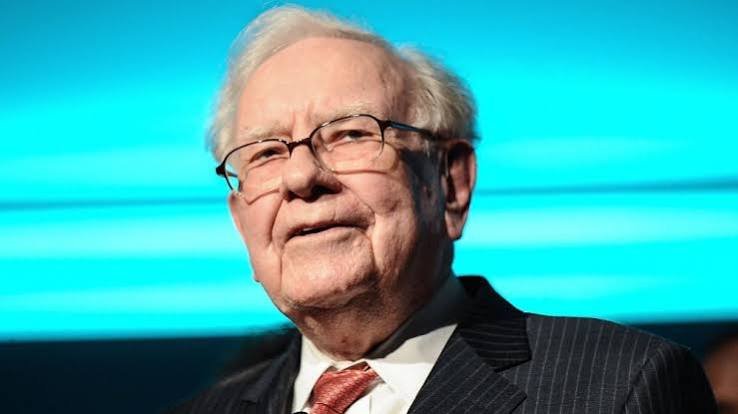
Warren Buffett’s departure from Berkshire Hathaway’s chairman position marks a major moment in the history of one of America’s most respected companies. After decades of leadership, investors, business leaders, and shareholders are paying attention to what comes next. His decision raises important questions about Berkshire Hathaway’s future, its leadership structure, investment strategy, and the legacy Buffett leaves behind.
This article explores what Warren Buffett’s transition means, who takes on leadership responsibilities, and how Berkshire Hathaway could move forward in a new era.
Warren Buffett’s Decision to Step Down
On September 18, 2026, Berkshire Hathaway announced that Warren Buffett had become Chairman Emeritus. He stepped down as chairman of the board after more than five decades in the role. His son, Howard G. Buffett, was elected as the new chairman, while Warren Buffett will remain a member of the board of directors.
This change is part of Berkshire Hathaway’s long-term succession planning. Buffett had already stepped down as chief executive officer, with Greg Abel taking over as CEO at the beginning of 2026. The latest move completes another major stage in the company’s leadership transition.
For investors, the important question is not simply who occupies the chairman’s seat. It is how Berkshire Hathaway will maintain its culture, make investment decisions, and operate without Buffett in his former leadership positions.
Who Is Howard Buffett, and What Will He Do?
Howard G. Buffett, Warren Buffett’s oldest son, has served on Berkshire Hathaway’s board since 1993. He is now the company’s non-executive chairman. His role is different from that of the CEO because he is not responsible for managing Berkshire’s daily operations.
Howard Buffett’s main responsibility is expected to include helping preserve the company’s culture and values. Berkshire Hathaway has traditionally emphasized integrity, long-term thinking, responsible management, and trust between shareholders and company leaders.
The chairman’s role provides corporate oversight, while Greg Abel leads the company’s business operations as CEO. This division of responsibilities is important because Berkshire owns and operates businesses across different industries, including insurance, railroads, energy, and consumer products.
Greg Abel’s Role in Berkshire Hathaway’s Future
Greg Abel is now the central executive responsible for running Berkshire Hathaway. He became CEO in January 2026 after Warren Buffett’s transition out of the position.
Abel has worked within Berkshire’s leadership structure for many years. His experience in the company’s operating businesses is relevant to Berkshire’s future because the group is more than an investment portfolio. It owns and manages a collection of companies with different business models and financial needs.
Under Abel’s leadership, shareholders will be watching how Berkshire allocates capital, manages its operating companies, and evaluates new investments. These decisions may shape how the company develops in the years following Buffett’s departure.
However, Berkshire’s future performance cannot be determined simply by the change in leadership. Economic conditions, insurance results, business earnings, investment valuations, and management decisions will all influence its results.
What Happens to Berkshire Hathaway’s Investment Strategy?
One of the biggest questions following Warren Buffett’s departure is whether Berkshire Hathaway’s investment strategy will change.
Buffett became widely known for his long-term approach to investing. He often emphasized buying quality businesses, understanding the companies behind investments, and avoiding unnecessary short-term speculation.
Berkshire Hathaway has substantial investments and ownership interests across different sectors. Its businesses include GEICO, BNSF Railway, and Dairy Queen, while its investment portfolio has included major companies such as Apple and Coca-Cola.
The company will need to continue making investment decisions under its new leadership structure. Investors may pay close attention to who makes major equity investments, how capital is distributed, and whether the company’s financial discipline remains consistent.
It is important to distinguish between Berkshire’s established investment philosophy and the decisions its management makes in the future. A change in leadership does not automatically mean that the company will abandon its existing approach.
Why Berkshire Hathaway’s Culture Matters
Warren Buffett’s influence on Berkshire Hathaway goes beyond financial performance. He helped create a corporate culture built around decentralized management and trust in the leaders of individual businesses.
Many Berkshire subsidiaries operate with significant independence. This structure has allowed managers to run their businesses without requiring every decision to go through the central office.
The succession plan is designed to help preserve important aspects of that culture. Howard Buffett’s role as chairman focuses on governance and values, while Greg Abel leads the company’s operations.
The challenge for Berkshire is to maintain the strengths of its culture while adapting to changing economic conditions and business opportunities. The company will need to demonstrate how its systems and leadership work without Warren Buffett occupying the chairman’s seat.
What Should Investors Watch Next?
Berkshire Hathaway shareholders may focus on several areas during the next phase of the company’s development.
1. Capital allocation: Investors will want to understand how management approaches acquisitions, stock investments, and the use of Berkshire’s financial resources.
2. Leadership continuity: Greg Abel’s management and Howard Buffett’s board leadership will be important parts of the company’s succession structure.
3. Operating business performance: Berkshire’s insurance, railroad, energy, and other businesses will continue to contribute to its financial results.
4. Corporate governance: Shareholders may examine how the board maintains accountability, oversight, and the company’s long-term values.
These areas provide ways to understand Berkshire Hathaway’s progress without assuming that any particular outcome is guaranteed.
Conclusion: A New Chapter for Berkshire Hathaway
Warren Buffett leaving the chairman’s seat represents a historic change for Berkshire Hathaway. After decades of leadership, the company has moved further into its planned succession process.
Howard Buffett now serves as chairman, while Greg Abel leads Berkshire Hathaway as CEO. Warren Buffett remains on the board as chairman emeritus, allowing him to continue offering his perspective.
The next chapter will depend on how Berkshire’s leadership team manages its businesses, protects its corporate culture, and makes decisions for shareholders. Buffett’s legacy remains a major part of the company’s history, but Berkshire’s future will be shaped by the people and systems responsible for running it today.


