



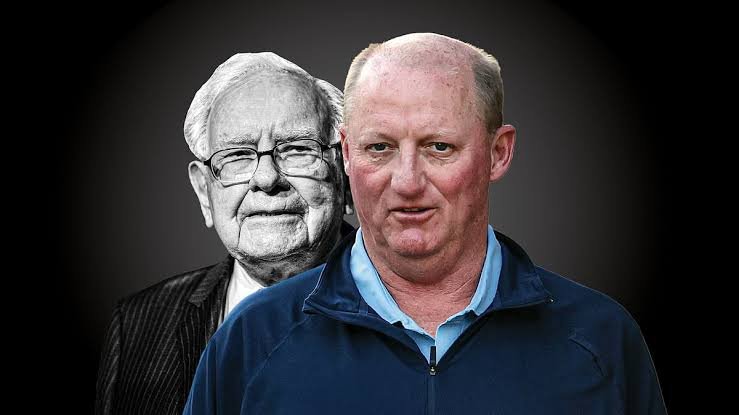
Berkshire Hathaway is entering a new chapter in its long history. After decades of leadership under Warren Buffett, Greg Abel is taking the company forward as CEO. This transition has attracted attention from investors, business leaders, and people interested in how large companies manage leadership change.
Warren Buffett built Berkshire Hathaway into one of the world’s most recognized business groups through long-term investing, financial discipline, and a focus on strong businesses. Greg Abel now faces the challenge of leading the company while preserving its core principles and shaping its future.
This article explains who Greg Abel is, how his leadership differs from Buffett’s role, and what the transition means for Berkshire Hathaway.
Who Is Greg Abel?
Greg Abel is a Canadian business executive who spent years working within Berkshire Hathaway. He became closely associated with the company’s non-insurance operations and was appointed vice chairman in 2018. Warren Buffett identified him as his successor, and Abel officially became Berkshire Hathaway’s CEO on January 1, 2026.
Before becoming CEO, Abel gained experience overseeing businesses outside Berkshire’s insurance division. His background gives him familiarity with the company’s decentralized management system, in which individual businesses operate with considerable independence.
Unlike Warren Buffett, who became famous for public shareholder communications and investment decisions, Abel’s leadership is expected to focus heavily on operating performance, capital allocation, and managing Berkshire’s diverse businesses.
Warren Buffett’s Legacy at Berkshire Hathaway
Warren Buffett became Berkshire Hathaway’s chairman in 1965 and helped transform the company from a struggling textile business into a large multinational conglomerate. Its operations include insurance, energy, freight rail transportation, manufacturing, services, and retail.
Buffett’s approach was based on several important principles:
- Investing with a long-term perspective.
- Buying and owning quality businesses.
- Maintaining financial discipline.
- Giving subsidiary managers significant independence.
- Treating shareholders as long-term business partners.
Over the years, these principles became an important part of Berkshire Hathaway’s identity. As Greg Abel leads the company, investors will be watching how these practices continue and how the business adapts to changing economic conditions.
How Greg Abel’s Leadership May Differ
Greg Abel is not simply taking over a job title. He is assuming responsibility for a company that has grown significantly under Buffett’s leadership.
Reports on Abel’s first 100 days described a more hands-on and detail-focused approach in some areas, including engagement with subsidiary leaders, capital allocation, and operational performance. These reports offer early observations of his management style rather than a complete assessment of his long-term record.
Some areas that may receive attention include:
1. Capital allocation: Berkshire holds substantial financial resources, and decisions about acquisitions, investments, and share repurchases are closely watched by shareholders.
2. Operating performance: Abel’s experience in Berkshire’s non-insurance businesses may influence how he works with subsidiary management teams.
3. Continuity and change: The company has a decentralized structure, but its CEO must still make important decisions about strategy, financial resources, and corporate priorities.
These areas will help shape how Berkshire develops under its new CEO.
Berkshire Hathaway’s Leadership Transition in 2026
The leadership transition continued in September 2026, when Warren Buffett stepped down as chairman and became chairman emeritus. Berkshire Hathaway announced that Howard G. Buffett, a director since 1993, would become chairman of the board. Greg Abel remains CEO.
This arrangement separates two important responsibilities. Greg Abel is responsible for running the company as CEO, while Howard Buffett’s chairman role is connected to board leadership and the preservation of Berkshire’s culture and values. Warren Buffett will remain a member of the board.
The distinction matters because Berkshire Hathaway has historically been strongly associated with Warren Buffett personally. The new structure provides a way to continue the company’s leadership and governance arrangements beyond his direct executive roles.
What Does Greg Abel’s Leadership Mean for Investors?
Investors may have several questions about Berkshire Hathaway’s future. Will the company maintain its long-term investment philosophy? How will it use its financial resources? Will its operating businesses continue to perform well? These questions cannot be answered solely by the change in CEO.
Abel’s early decisions and future shareholder communications may offer more information about the company’s priorities. However, individual announcements or short-term market movements do not establish whether a long-term strategy will succeed.
Berkshire Hathaway’s performance depends on multiple factors, including the results of its operating companies, insurance conditions, investment decisions, economic changes, and management execution.
For readers researching the company, it is useful to distinguish documented leadership decisions from future expectations. The succession is a confirmed event, while its long-term business effects will develop over time.
Can Greg Abel Continue Warren Buffett’s Business Philosophy?
Greg Abel has been selected through Berkshire Hathaway’s long-standing succession process, and his previous role within the company gives him direct experience of its business model. However, preserving a corporate culture involves more than following a written investment strategy.
Berkshire Hathaway’s future will depend on how its leadership handles management relationships, shareholder communication, financial decisions, and changing business conditions.
Warren Buffett’s legacy provides an established foundation, but Greg Abel’s tenure will develop its own history through actual decisions and results. Investors and business observers can follow those developments through shareholder letters, company announcements, financial reports, and annual meetings.
Conclusion
Greg Abel’s appointment as CEO marks a major leadership transition for Berkshire Hathaway. Warren Buffett’s decades of leadership shaped the company into a global business group, while Abel now takes responsibility for its operations and future direction.
The September 2026 change in the chairmanship adds another stage to the succession process. With Abel as CEO, Howard Buffett as chairman, and Warren Buffett as chairman emeritus and director, Berkshire Hathaway is moving into a different leadership structure.
The central question for the coming years is how the company will maintain its established principles while adapting to new business challenges. Greg Abel’s decisions, Berkshire Hathaway’s financial performance, and the company’s communication with shareholders will provide important evidence as this new era develops.


