


Design is no longer just about making products look attractive. In today’s competitive market, design plays a major role in shaping customer experiences, building brand loyalty, and driving business growth. One of the leaders who transformed the role of design in business is Mauro Porcini, the Chief Design Officer of PepsiCo.
Under Mauro Porcini’s leadership, PepsiCo created a unified design thinking strategy that connects some of the world’s most recognized brands, including Pepsi, Lay’s, Doritos, Gatorade, and many others. His approach demonstrates how design can become a powerful business tool rather than simply a creative function.
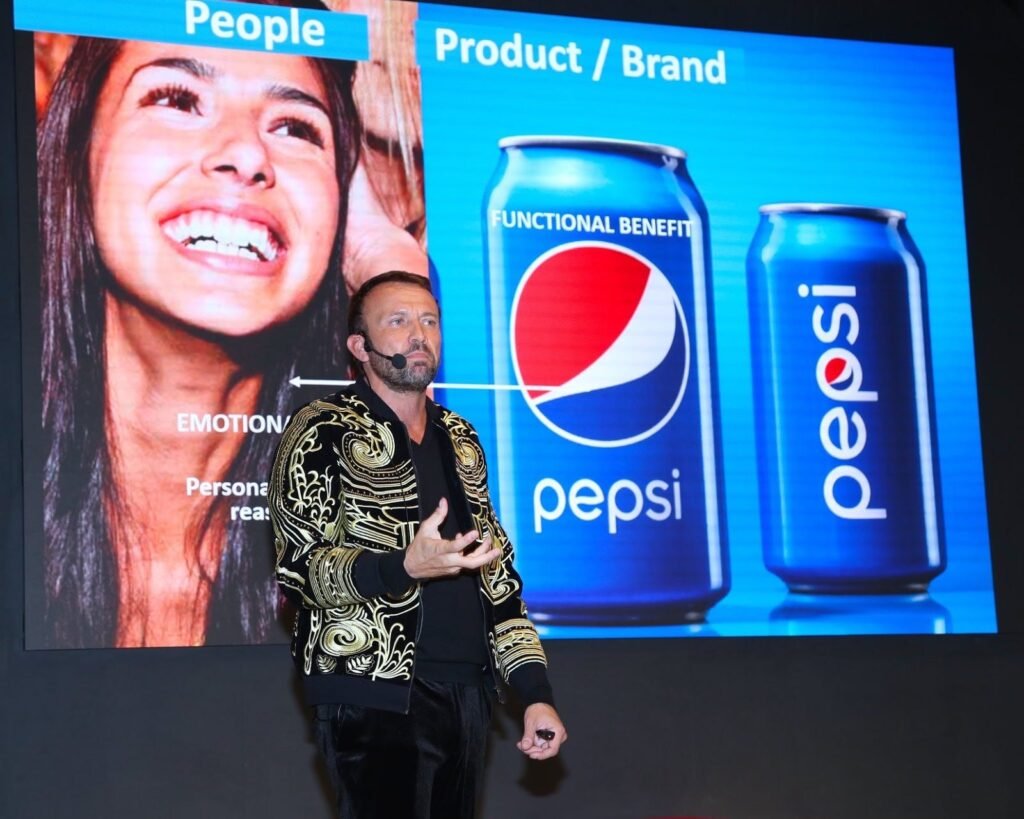
Who Is Mauro Porcini?
Mauro Porcini is an internationally recognized design leader known for integrating creativity, innovation, and business strategy. As PepsiCo’s Chief Design Officer, he has helped reshape how the company develops products, packaging, digital experiences, and customer interactions.
His philosophy is simple: great design should improve people’s lives while creating meaningful connections between brands and consumers. This vision has influenced dozens of PepsiCo brands across global markets.
What Is Unified Design Thinking?
Unified design thinking is an approach where all brands within a company share common design principles while maintaining their unique identities.
For PepsiCo, this means that although Pepsi, Lay’s, Doritos, and Gatorade serve different audiences, they all follow a customer-centered design process that focuses on:
- Understanding consumer needs
- Creating memorable experiences
- Building emotional connections
- Encouraging innovation
- Maintaining brand consistency
This approach helps ensure that every product and touchpoint delivers a cohesive brand experience.
How Pepsi Uses Design Thinking
Pepsi has evolved far beyond being a soft drink company. Through design thinking, the brand focuses on creating modern and engaging consumer experiences.
Packaging designs are regularly refreshed to stay relevant to younger audiences while maintaining the iconic Pepsi identity. Digital campaigns, product launches, and retail experiences are also designed with consumer behavior in mind.
The result is a brand that remains recognizable while continuously adapting to changing market trends.
How Lay’s Connects With Consumers
Lay’s is one of the most popular snack brands in the world. Its success comes from understanding local tastes and consumer preferences.
Using design thinking, Lay’s creates packaging, flavors, and marketing campaigns tailored to specific regions. The brand balances global consistency with local relevance.
For example, limited-edition flavors and region-specific products allow consumers to feel personally connected to the brand while still recognizing the familiar Lay’s identity.
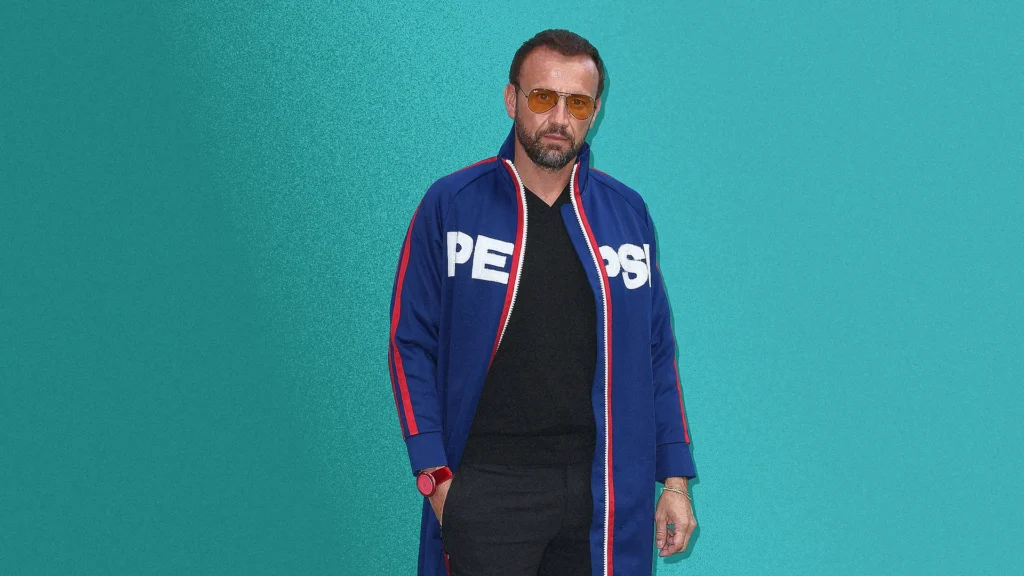
Doritos and Bold Brand Experiences
Doritos is known for its bold personality and innovative marketing strategies.
The brand uses design thinking to create excitement and engagement. Packaging, advertising, social media campaigns, and product launches are all designed to reflect the energetic and adventurous spirit of Doritos.
This consistent design approach helps Doritos stand out in a highly competitive snack market while maintaining a strong connection with younger consumers.
Gatorade’s Athlete-Centered Design
Gatorade focuses on performance, hydration, and athletic achievement.
Through unified design thinking, Gatorade develops products and experiences based on the needs of athletes. Product packaging, sports partnerships, and digital tools are designed to support performance goals.
This consumer-focused strategy has helped Gatorade remain a trusted brand among professional athletes and everyday fitness enthusiasts.
The Power of Human-Centered Design
One of Mauro Porcini’s core beliefs is that successful design starts with people.
Rather than focusing only on products, PepsiCo studies how consumers think, feel, and interact with brands. This human-centered approach allows teams to identify unmet needs and create meaningful solutions.
Human-centered design helps brands:
- Improve customer satisfaction
- Increase brand loyalty
- Drive innovation
- Create stronger emotional connections
- Deliver better user experiences
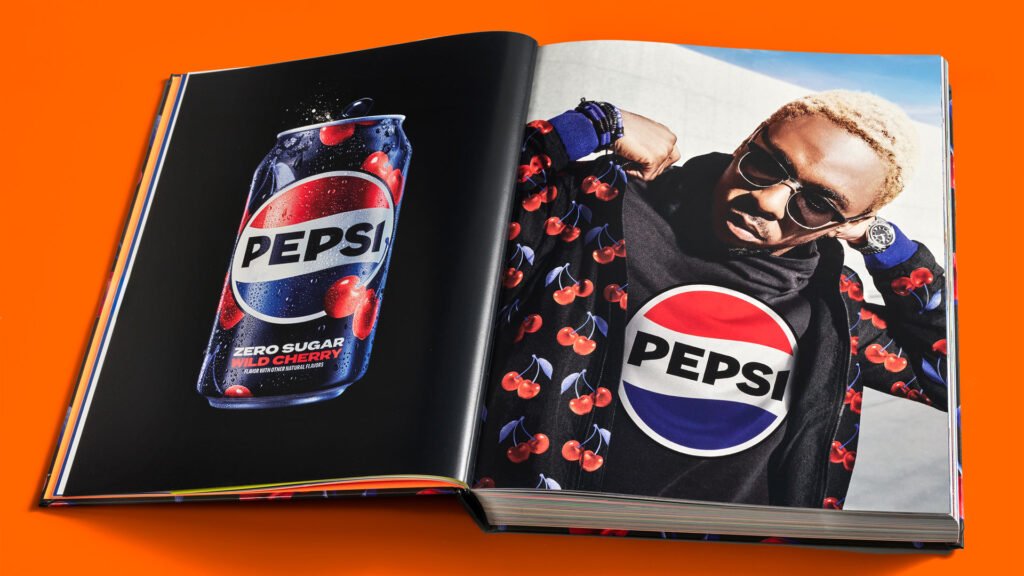
Innovation Through Collaboration
Another important element of Mauro Porcini’s strategy is collaboration.
Design teams work closely with marketing, research, technology, and product development departments. This cross-functional approach ensures that innovation happens throughout the organization rather than within isolated teams.
Collaboration allows PepsiCo brands to launch products and experiences that meet both consumer expectations and business objectives.
Lessons Businesses Can Learn
Organizations of all sizes can learn valuable lessons from PepsiCo’s unified design thinking model:
Put Customers First
Understand consumer needs before creating products or marketing campaigns.
Create Consistent Experiences
Maintain a consistent brand identity across all channels and touchpoints.
Encourage Innovation
Allow teams to experiment, learn, and improve continuously.
Use Design as a Business Tool
Design should support business growth, customer engagement, and long-term strategy.
Focus on Human Emotions
People remember experiences that make them feel understood and valued.
Conclusion
Mauro Porcini’s unified design thinking approach has transformed how PepsiCo manages its global portfolio of brands, including Pepsi, Lay’s, Doritos, Gatorade, and many others. By combining creativity, innovation, and customer understanding, PepsiCo has built stronger brands and deeper consumer relationships.
The success of this strategy demonstrates that design is not just about appearance—it is a powerful business driver that influences product development, customer experience, and long-term brand growth. As companies continue to compete in a rapidly changing world, unified design thinking offers a valuable framework for creating meaningful and lasting customer connections.
