



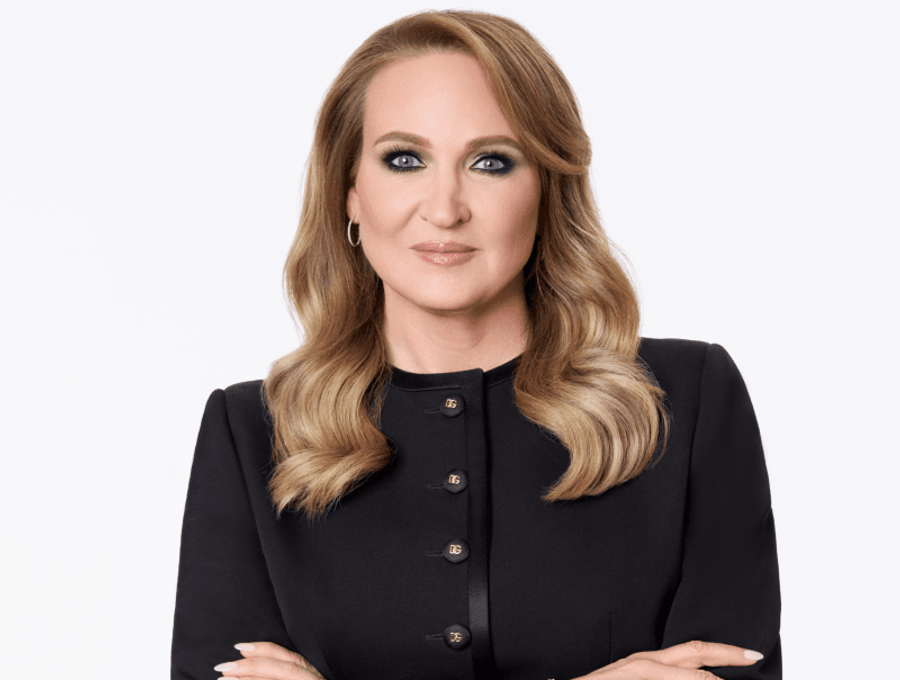
Career growth is rarely a straight path. Many professionals experience disappointment when they are overlooked for promotions, leadership roles, or new opportunities. According to Ulta Beauty CEO Kecia Steelman, these moments can become valuable learning experiences. Her powerful message is simple: when you get passed up for career opportunities, “you can either choose to be bitter or you can be better.”
This advice resonates with professionals across industries because setbacks are a natural part of career development. The way you respond to these challenges often determines your future success more than the setback itself.


What Does “Be Better, Not Bitter” Mean?
Being passed over for a promotion or opportunity can feel frustrating. It is normal to experience disappointment, self-doubt, or even anger. However, staying focused on negative emotions can limit future growth.
Choosing to be better means:
- Learning from the experience
- Seeking constructive feedback
- Improving your skills
- Building resilience
- Staying positive and professional
- Preparing for future opportunities
Instead of viewing a missed opportunity as a failure, successful leaders often see it as a chance to grow and become stronger.
Why Career Setbacks Happen
Many people assume being passed up means they are not good enough. In reality, career decisions are often influenced by multiple factors.
Common reasons include:
1. Skills Gap
An organization may require specific leadership, technical, or communication skills for a role.
2. Experience Requirements
Sometimes another candidate has more experience in a particular area that aligns with the position.
3. Business Needs
Companies often make decisions based on strategic priorities rather than individual performance alone.
4. Timing
Career growth is often about timing. An opportunity that is not available today may become available in the future.
Understanding these factors can help professionals avoid taking setbacks personally.
The Importance of a Growth Mindset
A growth mindset is the belief that abilities and skills can improve through learning and effort.
People with a growth mindset:
- Accept feedback
- Learn from mistakes
- Embrace challenges
- Continue developing their abilities
Instead of asking, “Why wasn’t I chosen?” they ask, “What can I do to improve for the next opportunity?”
This mindset is often seen in successful executives, entrepreneurs, and business leaders.


How to Respond When You Are Passed Over
Request Honest Feedback
One of the best steps you can take is asking your manager for constructive feedback.
Questions to ask include:
- What skills should I develop?
- What experience would strengthen my candidacy?
- What areas can I improve?
This information can provide a clear roadmap for future growth.
Stay Professional
Negative reactions can damage workplace relationships and future opportunities.
Maintain professionalism by:
- Congratulating the selected candidate
- Continuing to perform at a high level
- Supporting team goals
Professional behavior often leaves a lasting positive impression on leadership.
Focus on Skill Development
Use the experience as motivation to strengthen your qualifications.
Consider improving:
- Leadership skills
- Project management abilities
- Communication skills
- Industry knowledge
- Technical expertise
Continuous learning makes you a stronger candidate for future roles.
Building Resilience in Your Career
Resilience is the ability to recover from setbacks and continue moving forward.
Strong professionals understand that career growth includes challenges, failures, and unexpected changes.
Ways to build resilience include:
Learn From Every Experience
Every setback provides lessons that can improve future performance.
Set New Goals
Create short-term and long-term career goals to maintain momentum.
Expand Your Network
Building relationships with mentors, colleagues, and industry leaders can create new opportunities.
Stay Adaptable
The workplace continues to evolve. Professionals who adapt to change often achieve greater success.
Lessons From Successful Leaders
Many successful CEOs and executives have experienced rejection during their careers.
Some were denied promotions.
Some failed in business ventures.
Others faced criticism or professional setbacks.
What separates successful leaders from others is their response to adversity.
They use challenges as learning opportunities rather than reasons to give up.
Kecia Steelman’s message reflects a common leadership principle: growth often comes from difficult experiences.
Why This Advice Matters Today
Today’s workplace is highly competitive. Employees are constantly seeking promotions, leadership positions, and career advancement opportunities.
The ability to respond positively to setbacks is becoming increasingly valuable because:
- Competition for leadership roles is growing.
- Industries are changing rapidly.
- New skills are constantly required.
- Career paths are becoming less predictable.
Professionals who focus on growth rather than disappointment often position themselves for long-term success.
Turning Disappointment Into Opportunity
Being passed up for a career opportunity does not define your future.
Instead, it can become a turning point that leads to:
- Better skills
- Greater confidence
- Stronger leadership abilities
- Increased resilience
- Future career advancement
Every challenge provides an opportunity to learn, adapt, and improve.
Conclusion
Ulta Beauty CEO Kecia Steelman’s advice offers a valuable lesson for professionals at every stage of their careers. When you are passed over for an opportunity, you have a choice. You can focus on frustration and disappointment, or you can use the experience to grow stronger and become better prepared for future success.
Career setbacks are temporary, but the lessons learned from them can have a lasting impact. By maintaining a growth mindset, seeking feedback, improving skills, and staying resilient, professionals can transform disappointment into a powerful catalyst for personal and professional development.


