



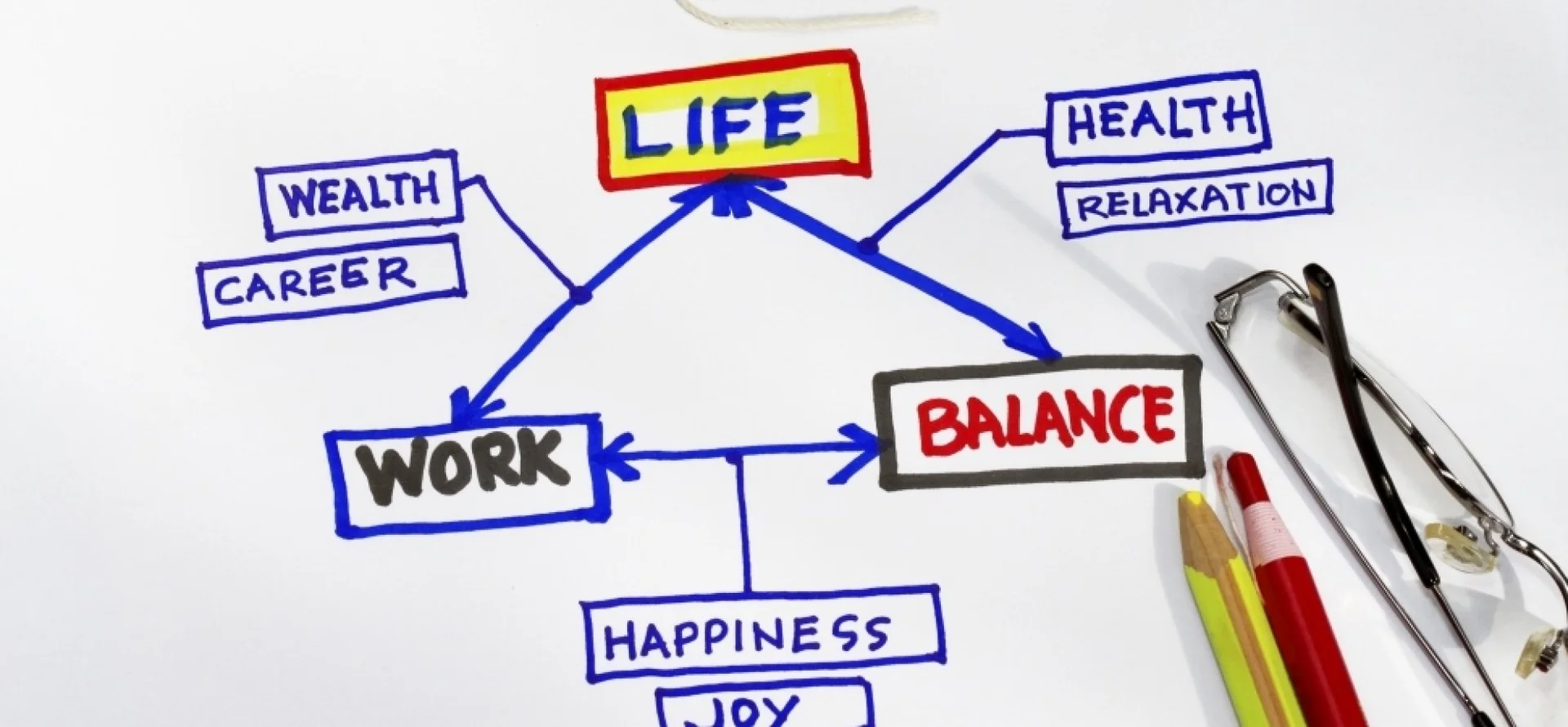
Running a company is one of the most demanding jobs in the world. CEOs make important decisions, lead teams, manage growth, and solve daily challenges. Despite their busy schedules, many successful CEOs understand that maintaining a healthy work-life balance is essential for long-term success. They know that personal well-being, family time, and good health are just as important as business achievements.
In this article, we will explore how CEOs balance work and life, the habits they follow, and practical tips that anyone can use to create a healthier and more productive lifestyle.
Why Work-Life Balance Matters for CEOs
Many people believe that successful CEOs work every hour of the day. While they certainly work hard, the most effective leaders also know when to rest. A balanced lifestyle helps improve decision-making, creativity, and mental health. It also reduces stress and prevents burnout.
When CEOs take care of themselves, they become better leaders. Their positive energy influences employees, strengthens company culture, and improves overall business performance.
Setting Clear Priorities
Successful CEOs understand that they cannot do everything themselves. Instead, they focus on the tasks that create the biggest impact. They identify their most important responsibilities and avoid spending too much time on low-value activities.
By setting clear priorities, CEOs can manage their time wisely and still leave room for family, hobbies, and personal growth.
Delegating Responsibilities
One of the biggest secrets of successful CEOs is delegation. Great leaders trust their teams and empower employees to make decisions. Instead of controlling every detail, they assign responsibilities to capable managers and specialists.
Delegation allows CEOs to focus on strategy, innovation, and leadership while reducing unnecessary stress.
Managing Time Effectively
Time management is one of the most valuable skills for any CEO. Many leaders use calendars, task management tools, and daily schedules to organize their work.
Common time management habits include:
- Planning the day before it begins
- Scheduling important meetings during peak energy hours
- Limiting unnecessary meetings
- Avoiding constant email checking
- Setting realistic deadlines
Good time management creates space for both professional and personal life.
Maintaining Physical Health
Many successful CEOs make fitness a daily habit. Regular exercise improves focus, boosts energy, and supports better mental health.
Healthy CEOs often include activities such as:
- Morning walks or running
- Gym workouts
- Yoga
- Cycling
- Swimming
- Strength training
Eating nutritious food and getting enough sleep are also important parts of maintaining high performance.
Protecting Family Time
Family is a major source of support for many business leaders. Successful CEOs often schedule quality time with their spouses, children, and loved ones just like they schedule business meetings.
Whether it is dinner together, weekend trips, or vacations, these moments help strengthen relationships and reduce work-related stress.
Taking Regular Breaks
Working without rest can reduce productivity and increase mistakes. Smart CEOs understand the value of taking short breaks throughout the day.
Many also plan vacations to recharge mentally and physically. Returning to work with a fresh mind often leads to better ideas and stronger leadership.
Continuing Personal Learning
Learning never stops for great leaders. CEOs regularly read books, listen to podcasts, attend conferences, and seek advice from mentors.
Continuous learning helps them stay updated with market trends, technology, leadership strategies, and changing customer needs.
Practicing Mindfulness and Stress Management
Leading a company comes with pressure. To stay calm and focused, many CEOs practice mindfulness techniques such as meditation, deep breathing, or journaling.
These habits improve emotional control, reduce anxiety, and help leaders make thoughtful decisions during difficult situations.
Using Technology Wisely
Technology can increase productivity, but it can also create distractions. Successful CEOs use digital tools to organize work while setting boundaries for personal time.
Many leaders:
- Turn off unnecessary notifications
- Avoid checking emails late at night
- Limit social media use during work hours
- Use productivity apps to stay organized
Technology should support life, not control it.
Building a Strong Leadership Team
A company becomes stronger when leadership is shared. CEOs who build experienced management teams can confidently step away from daily operations when needed.
Strong leadership teams improve business continuity and allow CEOs to maintain a healthier work-life balance.
Final Thoughts
Balancing work and life is not about working fewer hours—it is about working smarter. Successful CEOs understand that their health, relationships, and personal happiness directly affect their ability to lead.
By setting priorities, delegating responsibilities, managing time effectively, staying healthy, protecting family time, and continuing to learn, CEOs create sustainable success for themselves and their organizations.
Anyone, whether an entrepreneur, manager, or employee, can apply these habits to achieve a more balanced, productive, and fulfilling life.


