



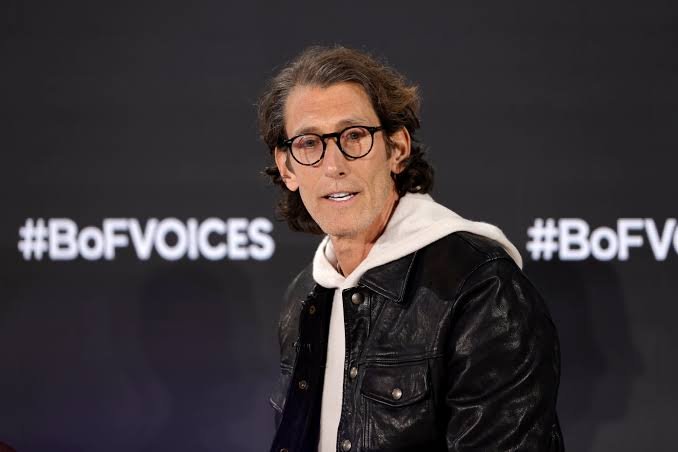
Barbie is one of the world’s most recognized toy brands, but its journey from a classic fashion doll to a global cultural phenomenon involved years of brand development, new ideas, and changing consumer expectations. Richard Dickson, a former senior Mattel executive, played a role in the company’s brand and business strategy during the period when Barbie was being repositioned for modern audiences.
The 2023 Barbie movie brought enormous global attention to the brand. However, Barbie’s evolution did not begin with the film. Mattel had been working on brand development, product innovation, and broader cultural relevance for years.
This article explores Richard Dickson’s professional connection to Mattel, Barbie’s brand repositioning, and the business lessons behind the transformation.
Who Is Richard Dickson?
Richard Dickson is a business executive with experience in fashion, beauty, retail, and consumer brands. He worked at Mattel in several leadership roles, including General Manager and Senior Vice President of the Barbie brand from 2008 to 2010. He later returned to Mattel in 2014 and became President and Chief Operating Officer in 2015.
His professional background includes brand marketing, product development, entertainment, and business expansion. These experiences helped shape his approach to managing well-known consumer brands.
How Richard Dickson Helped Reposition Barbie
When a brand has been popular for many years, it can face the challenge of remaining relevant to new generations. Barbie was already a globally recognized doll, but its brand needed to connect with changing consumer expectations and cultural conversations.
During Dickson’s earlier leadership of Barbie, Mattel worked on brand revitalization, including product innovation, a renewed brand identity, entertainment, and retail experiences. Industry and company descriptions of his work highlight these areas as part of the broader effort to strengthen Barbie’s position.
Repositioning a brand does not simply mean changing its logo or packaging. It can involve understanding customers, developing new products, creating fresh stories, and making the brand meaningful in different markets.
For Barbie, this broader approach became important as the company expanded how consumers could experience the brand.
Barbie’s Move Beyond Traditional Toys
For decades, Barbie was mainly known as a fashion doll. Over time, Mattel expanded its brand activities into entertainment, licensing, fashion, digital experiences, and collaborations.
Richard Dickson’s responsibilities at Mattel included brand marketing, innovation strategy, design and development, and franchise management. Mattel’s brand-building approach aimed to develop its properties beyond individual toys and into broader consumer experiences.
This strategy is significant because a strong brand can connect with audiences through multiple channels. A consumer may discover a brand through a product, a movie, social media, a retail collaboration, or a licensed item.
Barbie’s development into a wider entertainment and lifestyle brand created more opportunities for consumer engagement.
The Barbie Movie and Earlier Brand Development
The 2023 Barbie movie, directed by Greta Gerwig and starring Margot Robbie and Ryan Gosling, became a major cultural and commercial event. The film explored Barbie’s identity, cultural legacy, and the expectations surrounding the character.
However, the brand’s development predated the movie. Mattel had already been working on Barbie’s product range and brand identity. The movie became part of a larger strategy to bring Mattel’s intellectual property into entertainment and popular culture.
It is important to distinguish between the work of different executives and creative teams. Richard Dickson contributed to Mattel’s broader brand strategy and earlier Barbie revitalization, while the movie was created through the collaboration of filmmakers, actors, producers, and Mattel’s entertainment team.
Therefore, the movie’s success should not be attributed to one executive alone.
What Businesses Can Learn From Barbie’s Brand Strategy
Richard Dickson’s career offers several business lessons for companies managing established brands.
1. Understand Changing Customers
Consumer preferences change over time. Brands need to study what audiences value and how their expectations develop. Product design, messaging, and marketing should respond to meaningful customer insights.
2. Build a Brand Beyond One Product
A brand can create additional value through entertainment, partnerships, licensing, and digital experiences. These activities can help a company connect with customers in different ways.
3. Combine Heritage With Innovation
Older brands often have strong recognition, but they also need fresh ideas. Maintaining familiar brand elements while introducing new products and stories can support long-term development.
4. Use Multiple Marketing Channels
Retail, online content, entertainment, and social media can work together to create a consistent brand experience. The right combination depends on the company’s audience and business goals.
5. Treat Repositioning as a Long-Term Process
A successful brand transformation usually involves multiple decisions over time. It may include changes in product strategy, marketing, partnerships, and customer experience rather than a single campaign.
Richard Dickson’s Career After Mattel
After his time at Mattel, Richard Dickson moved into leadership at Gap Inc. He had joined Gap’s board in 2022 and was appointed President and Chief Executive Officer in 2023. His background in revitalizing established brands became part of the discussion surrounding his new role.
Business Roundtable
+2
His career illustrates how brand-building experience can transfer between industries. Fashion, toys, beauty, and retail operate differently, but each depends on understanding consumers, developing products, and maintaining brand relevance.
Conclusion
Richard Dickson’s work at Mattel forms part of the broader story of Barbie’s transformation before the 2023 blockbuster movie. His leadership roles involved brand development, innovation, and commercial strategy, including an earlier period managing the Barbie brand.
The Barbie story shows how a long-established product can evolve through new ideas, entertainment, and consumer-focused brand development. Although the movie introduced Barbie to new audiences on a massive scale, the brand’s journey was built over many years by teams across Mattel and the entertainment industry.
For business leaders, the key takeaway is that brand growth can require long-term planning, continuous innovation, and a clear understanding of changing audiences.


