



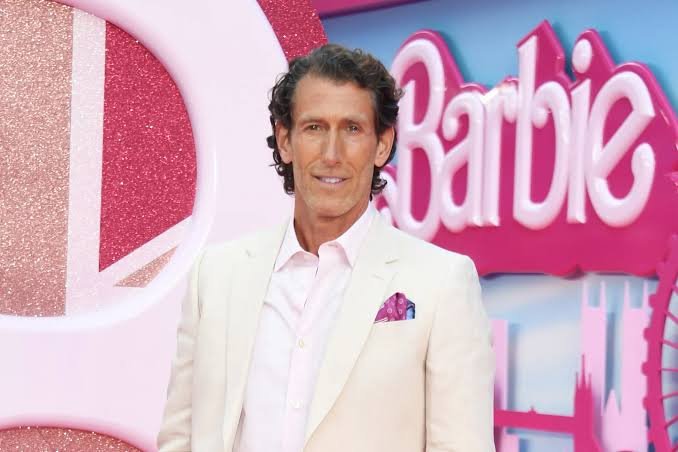
When the Barbie movie became a worldwide box-office hit, many people focused on the film’s stars, marketing campaign, and cultural impact. However, the foundation for Barbie’s modern success was built years earlier by Richard Dickson, a business leader who played a key role in transforming the iconic brand.
Long before the movie arrived in theaters, Dickson helped reposition Barbie from a traditional toy into a lifestyle and cultural brand. His vision helped Barbie connect with a new generation of consumers while staying relevant in a rapidly changing market.


Who Is Richard Dickson?
Richard Dickson is a well-known business executive recognized for his work in brand transformation and consumer products. During his time at Mattel, he led efforts to modernize some of the company’s most famous brands, including Barbie.
His leadership focused on innovation, inclusivity, and expanding Barbie’s appeal beyond toys. These efforts laid the groundwork for the brand’s resurgence years before the movie’s release.
The Challenges Barbie Faced
Before its comeback, Barbie was facing several challenges:
- Declining sales
- Increased competition from other toy brands
- Changing consumer expectations
- Criticism about unrealistic beauty standards
- Difficulty connecting with younger audiences
Many experts believed Barbie had lost some of its cultural relevance. Mattel needed a new strategy to bring the brand back to life.
Richard Dickson’s Repositioning Strategy
Richard Dickson understood that Barbie was more than just a doll. He believed Barbie could become a symbol of creativity, empowerment, and self-expression.
1. Expanding Diversity and Inclusion
One of the biggest changes was introducing a wider range of Barbie dolls.
The company launched dolls with:
- Different body types
- Various skin tones
- Diverse hairstyles
- Different professions and careers
This approach helped Barbie better reflect the real world and connect with a broader audience.
2. Turning Barbie Into a Lifestyle Brand
Dickson’s strategy extended beyond toy shelves.
Barbie began appearing in:
- Fashion collaborations
- Social media campaigns
- Entertainment partnerships
- Consumer products
- Cultural events
This helped transform Barbie from a toy brand into a recognizable lifestyle brand.


3. Strengthening Brand Storytelling
Modern consumers want stories, not just products.
Under Dickson’s leadership, Barbie’s messaging focused on:
- Empowerment
- Imagination
- Career possibilities
- Female leadership
- Personal achievement
The famous message that girls can become anything they dream of became central to the brand’s identity.
4. Embracing Digital Marketing
The rise of social media created new opportunities.
Barbie expanded its digital presence through:
- Instagram content
- YouTube videos
- Influencer collaborations
- Online communities
This allowed the brand to engage directly with younger audiences and parents.
Building Momentum Before the Movie
The success of the Barbie movie did not happen overnight.
Years of brand investment helped create a strong emotional connection with consumers. By the time the movie was announced, Barbie had already regained much of its cultural relevance.
Consumers were once again talking about the brand, sharing content online, and purchasing Barbie-related products.
This growing popularity made the movie launch far more effective than it might have been otherwise.

Why Richard Dickson’s Strategy Worked
Several factors contributed to the success of Barbie’s repositioning.
Understanding Consumer Trends
Dickson recognized that consumer values were changing. People wanted brands that reflected diversity, inclusion, and authenticity.
Protecting Brand Heritage
Instead of abandoning Barbie’s history, he modernized it. The brand maintained its identity while adapting to new expectations.
Creating Emotional Connections
Successful brands create emotional engagement. Barbie became more than a toy—it became a symbol of possibility and self-expression.
Long-Term Thinking
Many companies focus on short-term gains. Dickson invested in a long-term strategy that gradually rebuilt trust and relevance.
Lessons for Business Leaders
Richard Dickson’s work with Barbie offers valuable lessons for companies of all sizes.
Adapt Without Losing Identity
Brands must evolve with consumer expectations while preserving their core values.
Invest in Representation
Consumers increasingly support brands that reflect diverse experiences and perspectives.
Think Beyond Products
Successful brands create experiences, communities, and emotional connections.
Focus on Long-Term Growth
Sustainable success often comes from years of consistent effort rather than quick fixes.
The Lasting Impact of Barbie’s Transformation
Today, Barbie is one of the world’s most recognized brands. The movie’s success brought even more attention to the franchise, but the groundwork was established long before the film reached theaters.
Richard Dickson’s leadership demonstrates how strategic brand repositioning can revitalize even the most established products. By embracing innovation, diversity, and storytelling, he helped Barbie remain relevant in a changing world.
His approach serves as an example for business leaders seeking to modernize legacy brands while maintaining their cultural significance.


