


In today’s fast-changing financial world, strong leadership is more important than ever. One business leader who has earned respect across the banking industry is J. Robin Vince, the President and Chief Executive Officer of BNY Mellon. Known for his calm decision-making, strategic thinking, and focus on innovation, Vince has helped guide one of the world’s oldest financial institutions through a period of rapid digital transformation.
This article explores J. Robin Vince’s leadership style, his career journey, and the valuable lessons entrepreneurs, business leaders, and professionals can learn from his approach.
Quick Answer
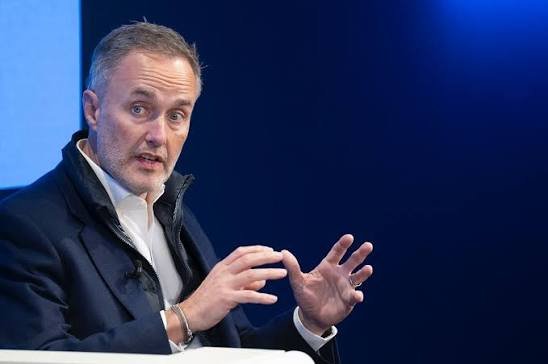
J. Robin Vince’s leadership style is built on innovation, teamwork, long-term thinking, customer focus, and responsible decision-making. As CEO of BNY Mellon, he emphasizes digital transformation, operational excellence, and building trust with clients while preparing the company for the future of global finance.
Who Is J. Robin Vince?
J. Robin Vince became the CEO of BNY Mellon in 2022 after serving in several senior leadership roles within the company. Before joining BNY Mellon, he held executive positions at leading global financial institutions, where he gained extensive experience in banking, technology, risk management, and financial services.
Today, he leads one of the world’s largest investment services and asset management companies, serving clients in many countries.
A Leadership Style Focused on the Future
One of the biggest strengths of J. Robin Vince is his ability to think beyond short-term success. Instead of focusing only on immediate profits, he encourages long-term planning and sustainable growth.
The financial industry is changing because of artificial intelligence, cloud computing, cybersecurity, and digital banking. Vince believes companies must continuously adapt to these changes while maintaining stability and customer confidence.
This future-focused mindset helps BNY Mellon stay competitive in a rapidly evolving financial market.
Leading Through Innovation
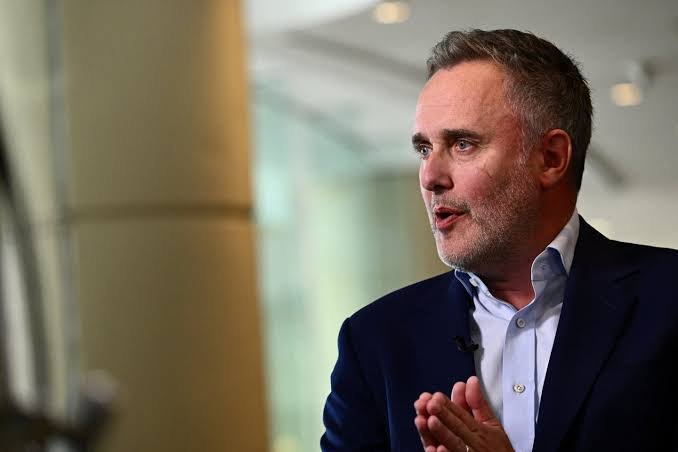
Innovation is a key part of Vince’s leadership philosophy. He understands that technology is transforming financial services, and organizations must embrace change instead of resisting it.
Under his leadership, BNY Mellon has continued investing in:
- Digital banking solutions
- Data and analytics
- Artificial intelligence
- Cloud technology
- Cybersecurity improvements
- Automation of financial services
Rather than viewing technology as a threat, Vince sees it as an opportunity to improve customer experience and business efficiency.
Building Strong Teams
Great leaders know they cannot succeed alone. J. Robin Vince places strong importance on teamwork and collaboration.
He encourages employees to:
- Share new ideas
- Work across departments
- Solve problems together
- Learn continuously
- Support innovation
A positive workplace culture helps employees stay motivated and deliver better results for clients.
Customer Trust Comes First
The banking industry depends heavily on trust. Clients expect their financial institutions to protect their investments, personal information, and long-term financial goals.
J. Robin Vince focuses on maintaining strong relationships with customers by promoting:
- Transparency
- Accountability
- Reliable service
- Secure financial systems
- Ethical business practices
Building trust is not a one-time achievement. It requires consistent actions over many years, and this principle remains central to his leadership.

Staying Calm During Challenges
Every business faces uncertainty. Economic changes, market volatility, new regulations, and global events can create difficult situations for financial companies.
Effective leaders remain calm under pressure.
J. Robin Vince is known for making thoughtful decisions based on facts, careful analysis, and long-term business objectives instead of reacting emotionally to short-term challenges.
This balanced approach helps create confidence among employees, investors, and clients.
Encouraging Continuous Learning
The financial sector evolves quickly, making continuous learning essential.
Vince supports developing new skills, understanding emerging technologies, and preparing employees for future challenges.
Organizations that invest in employee learning are often more innovative, productive, and competitive.
Leadership Lessons from J. Robin Vince
Business owners, startup founders, and professionals can learn several valuable lessons from his leadership style:
1. Think Long Term
Successful businesses focus on sustainable growth instead of chasing quick wins.
2. Welcome Innovation
Technology creates opportunities for companies that are willing to adapt and improve.
3. Build Strong Relationships
Trust with customers, employees, and partners is one of the most valuable business assets.
4. Empower Your Team
Encourage employees to contribute ideas and solve problems together.
5. Stay Calm Under Pressure
Good leaders make informed decisions, even during uncertain times.
6. Never Stop Learning
Continuous improvement helps businesses stay competitive in changing markets.
Why J. Robin Vince’s Leadership Matters
As global finance becomes increasingly digital, leaders must balance innovation with security, growth with responsibility, and technology with human relationships.
J. Robin Vince demonstrates how modern leadership combines strategic thinking, ethical decision-making, and continuous innovation. His leadership provides a practical example of how established financial institutions can evolve while maintaining the trust of clients and stakeholders.
Whether you lead a startup, a growing company, or a global organization, his leadership principles remain relevant across industries.
Conclusion
J. Robin Vince has shown that successful leadership is not only about financial performance but also about preparing an organization for the future. His focus on innovation, teamwork, customer trust, and long-term strategy has helped strengthen BNY Mellon in a highly competitive financial industry.
Business leaders can learn from his example by embracing change, investing in people, maintaining high ethical standards, and making decisions that create lasting value. As technology continues to reshape global finance, leaders who combine vision with responsibility will be best positioned for long-term success.
