

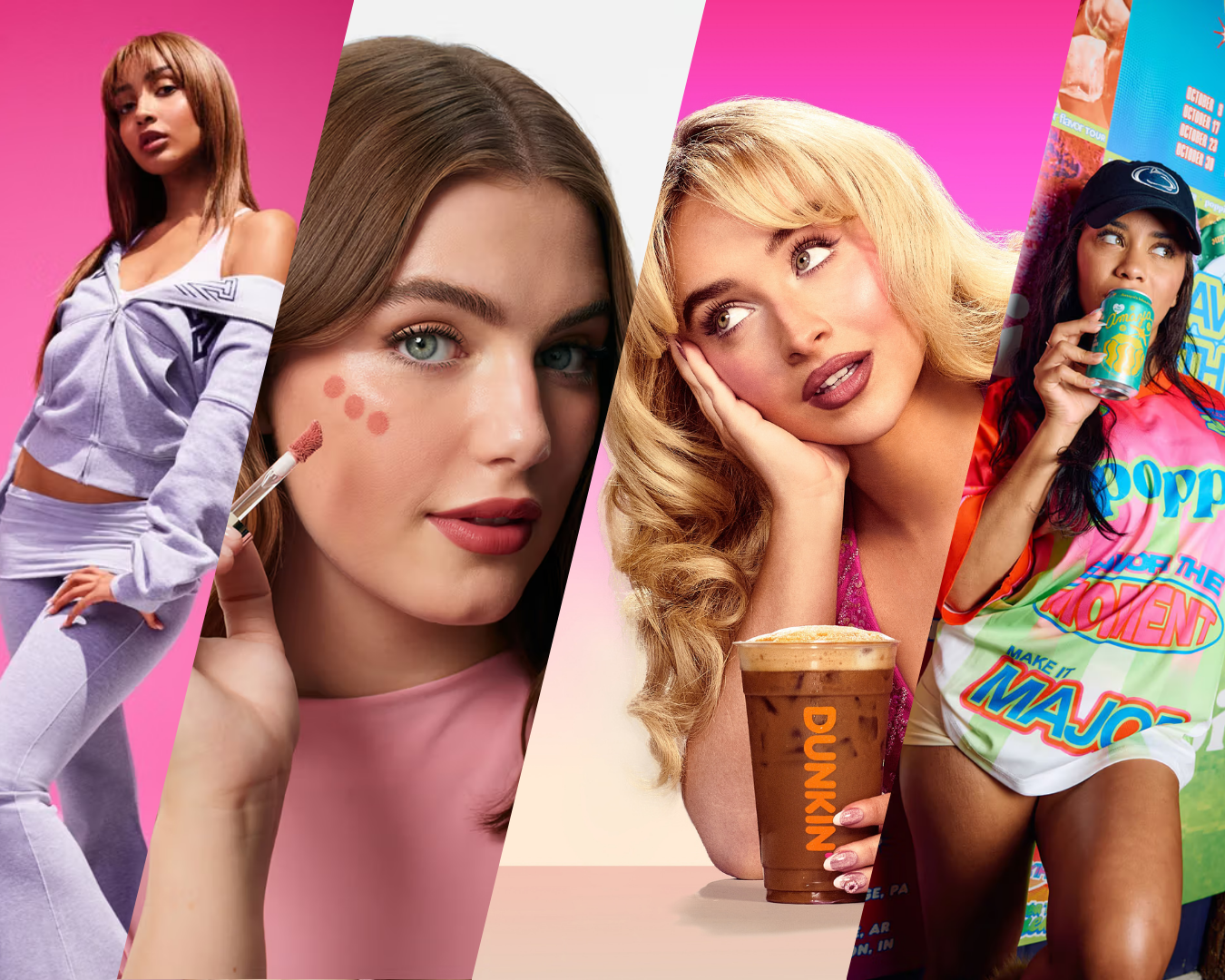
Celebrities are no longer earning money only from movies, music, sports, or television. Today, many famous personalities are building successful businesses through fashion brands, beauty products, skincare lines, food companies, and lifestyle products. Their names and personal identities have become valuable business assets.
This change has created a new trend known as the celebrity brand era. In the past, celebrities usually promoted products owned by other companies. Now, many are launching their own brands, investing in startups, and building businesses that can grow beyond their entertainment careers.
Celebrity brands are becoming serious businesses because they combine fame, customer trust, marketing power, and strong business strategies. However, success depends on more than having millions of followers. Product quality, customer loyalty, financial planning, and long-term vision are equally important.
What Is the Celebrity Brand Era?
The celebrity brand era refers to a business trend in which famous personalities use their popularity to create, own, or invest in consumer brands.
These businesses can operate in several industries, including fashion, beauty, skincare, wellness, food, beverages, and fitness.
For example, Rihanna built Fenty Beauty into a globally recognized beauty brand. Kim Kardashian developed SKIMS into a major shapewear and clothing business. Actor Ryan Reynolds has also been involved in business investments and brand-building activities.
These examples show how celebrities can move beyond traditional entertainment income and create companies with independent commercial value.
The main difference today is ownership. Instead of simply receiving payment for advertisements, celebrities increasingly seek equity, decision-making power, and a share of the profits generated by their businesses.
Why Celebrity Brands Are Becoming Serious Businesses
1. Social Media Creates Direct Customer Access
Social media platforms such as Instagram, TikTok, and YouTube allow celebrities to communicate directly with millions of potential customers.
A celebrity can introduce a new product, explain its benefits, share personal experiences, and answer customer questions without relying entirely on traditional advertising.
This direct connection can reduce customer acquisition costs and help brands build communities around their products. However, social media reach does not automatically translate into sales. The product must still offer real value.
2. Personal Branding Builds Customer Interest
Customers often feel connected to celebrities because they follow their careers, lifestyles, and personal stories.
Brands can use this connection to create a strong identity. A celebrity associated with beauty, fitness, fashion, or sustainability may have a natural starting point for launching products in that category.
For example, Fenty Beauty gained attention for its broad range of foundation shades and focus on inclusivity. This gave customers a clear reason to consider the brand beyond its founder’s fame.
A strong brand solves customer problems instead of depending only on celebrity recognition.
3. Ownership Can Create Long-Term Wealth
Traditional celebrity endorsements generally provide a payment for promoting a product. Business ownership can offer a different opportunity.
When celebrities own shares in a company, their financial returns may increase as the business grows. They may benefit from profits, dividends, or a future sale of their ownership stake, depending on the company’s structure and agreement.
However, ownership also brings risks. Businesses require investment, experienced teams, inventory management, customer service, and careful financial planning.
A famous name can attract attention, but it cannot guarantee profitability.
How Celebrity Brands Make Money
Celebrity-owned businesses can earn revenue through several channels.
Direct product sales: Brands sell products through their own websites, retail stores, and online marketplaces.
Retail partnerships: Products become available through established retailers, helping brands reach more customers.
Licensing agreements: A company may pay to use a celebrity’s name or image on specific products under an agreement.
Equity investments: Celebrities may own part of a company and benefit financially if its value increases.
Collaborations and limited editions: Special collections can attract attention, create urgency, and introduce a brand to new audiences.
The most successful businesses often combine several revenue streams instead of relying on a single product or marketing campaign.
The Role of Marketing and Technology
Modern celebrity brands use data, digital advertising, influencer marketing, and e-commerce technology to understand customer behavior.
Businesses can analyze which products attract the most interest, where customers discover them, and which marketing campaigns lead to purchases.
Email marketing, loyalty programs, search engine optimization, and personalized recommendations can also encourage repeat sales.
For example, a beauty brand can use educational videos to explain product benefits, customer reviews to build confidence, and targeted advertising to reach relevant audiences.
These activities help transform celebrity attention into a more structured business operation.
Technology also makes it easier for smaller celebrity brands to launch online before investing heavily in physical stores. However, businesses must protect customer data and maintain consistent product quality as they grow.
The Challenges Behind Celebrity Businesses
Despite their popularity, celebrity brands face several challenges.
First, competition is intense. The beauty, fashion, and wellness industries already contain many established companies with loyal customers.
Second, public reputation can affect business performance. Controversies, negative publicity, or changes in a celebrity’s popularity may influence consumer interest.
Third, poor product quality can damage trust quickly. Customers may try a product because of a famous founder, but they are more likely to return when the product meets their expectations.
Other challenges include rising marketing costs, supply chain problems, pricing decisions, and pressure to maintain sustainable growth.
Celebrity brands must also compete with businesses that have stronger technical expertise or more experience in product development.
For these reasons, many successful celebrity businesses work with experienced executives, product specialists, manufacturers, and financial professionals.
What Entrepreneurs Can Learn From Celebrity Brands
The growth of celebrity businesses offers useful lessons for entrepreneurs and small business owners.
Build a clear brand identity. Customers should understand what a business offers and why it is different.
Focus on customer needs. Products should solve real problems rather than depend entirely on attractive marketing.
Use digital platforms wisely. Social media, search engines, and online stores can help businesses reach their target audiences.
Create repeat customers. Consistent quality, helpful service, and fair pricing are essential for long-term growth.
Plan for the future. A successful business needs financial discipline, reliable suppliers, effective operations, and a strategy for expansion.
Entrepreneurs do not need celebrity-level fame to apply these lessons. A small business can build a strong brand by understanding its customers and delivering a consistent experience.
What Is the Future of Celebrity Brands?
The celebrity brand industry is likely to continue evolving as consumers demand better products, greater transparency, and more meaningful brand experiences.
Future growth may come from personalized beauty products, functional foods, wellness services, sustainable fashion, and digital shopping experiences.
At the same time, consumers are becoming more aware of the difference between genuine business involvement and simple celebrity endorsements.
Brands that demonstrate product quality, clear values, and strong customer service may have a better chance of building lasting businesses.
The next stage of the celebrity brand era will not be defined by fame alone. It will depend on how effectively celebrities and their business teams turn attention into customer loyalty, revenue, and sustainable growth.
Conclusion
The celebrity brand era is becoming a serious business because famous personalities are moving from promotion to ownership, investment, and long-term brand development.
Social media provides visibility, personal branding creates interest, and e-commerce opens new sales opportunities. Yet lasting success requires much more than a famous face.
Product quality, customer trust, experienced management, and financial discipline remain the foundations of a strong company. For celebrities and everyday entrepreneurs alike, the biggest opportunity is to build a business that customers value even when the spotlight moves elsewhere.
