


Technology has changed the way people work, learn, and communicate. Behind many of the products we use every day are talented designers who make technology simple and user-friendly. One of those influential leaders is Julie Larson-Green, a technology executive and product design expert who played a major role in shaping Microsoft’s modern design language.
Her work helped improve the look, feel, and usability of popular Microsoft products, making them easier and more enjoyable for millions of users around the world.
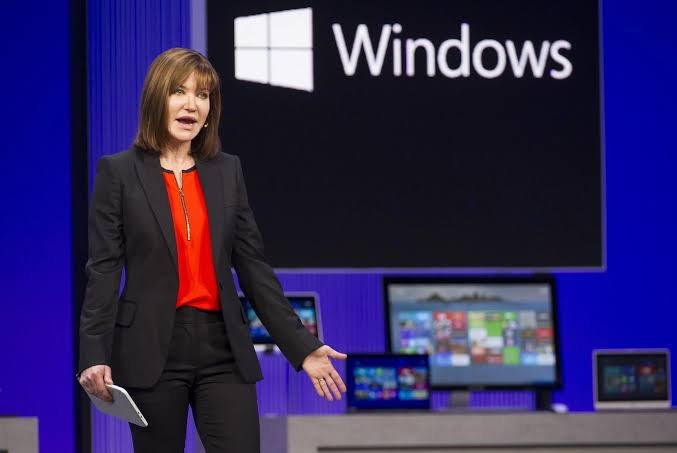
Who Is Julie Larson-Green?
Julie Larson-Green is an American technology executive known for her leadership in product design, user experience (UX), and software development. She spent more than two decades at Microsoft, where she worked on several iconic products, including Microsoft Office, Windows, and other major software platforms.
Her focus has always been on creating technology that is simple, beautiful, and easy for people to use.
Early Career at Microsoft
Julie Larson-Green joined Microsoft in the early 1990s when the company was growing rapidly. During her career, she worked closely with engineers, designers, and product managers to improve Microsoft’s software.
She became known for balancing technical innovation with great design, helping products become more user-friendly while maintaining powerful features.
Her ability to understand both customers and technology made her one of Microsoft’s most respected executives.
Transforming Microsoft Office
One of Julie Larson-Green’s biggest achievements was her work on Microsoft Office.
For years, Office programs like Word, Excel, and PowerPoint had become packed with features, making them difficult for many users to navigate.
Julie helped lead the team that introduced the Ribbon Interface, first launched with Microsoft Office 2007.
Instead of hiding tools inside complex menus, the Ribbon organized features into clear tabs and visual icons.
Although the new design received mixed reactions at first, it eventually became one of the most successful user interface changes in Microsoft’s history. Today, the Ribbon is a standard part of Microsoft Office and has influenced software design across the industry.
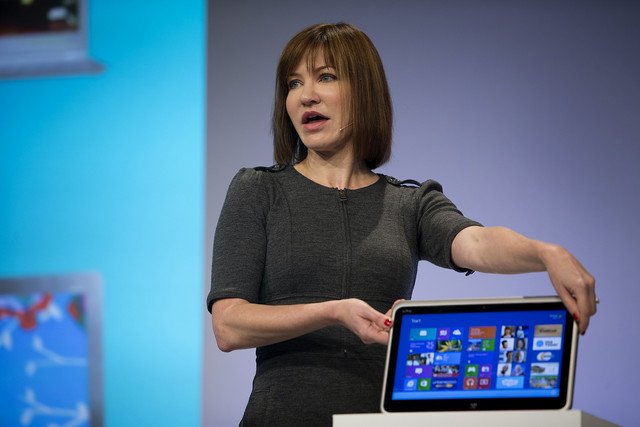
Helping Create Microsoft’s Modern Design Language
Julie Larson-Green also played a major role in modernizing Microsoft’s overall design philosophy.
As technology evolved from desktop computers to tablets, smartphones, and touch-screen devices, Microsoft needed a fresh visual identity.
She helped support a cleaner, simpler, and more consistent design approach across Microsoft’s products.
This modern design language focused on:
- Simple layouts
- Clear typography
- Easy navigation
- Touch-friendly controls
- Consistent user experience
- Minimal visual clutter
These ideas helped Microsoft create software that looked modern while remaining easy to use across different devices.
Leadership in Windows Development
Julie Larson-Green later became responsible for leading the engineering and design teams behind Windows.
During this time, Microsoft introduced significant design changes aimed at creating a unified experience across PCs, tablets, and other devices.
Her leadership encouraged close collaboration between designers and engineers, ensuring that both functionality and appearance were equally important.
She believed that great software should not only work well but also feel intuitive and enjoyable for users.
Focus on User Experience (UX)
One of Julie Larson-Green’s greatest strengths is her commitment to user experience.
Rather than designing products only from a technical perspective, she encouraged teams to understand how real people interact with software.
This user-first approach helped improve:
- Productivity
- Accessibility
- Ease of learning
- Visual consistency
- Customer satisfaction
Today, user experience design has become a core part of software development, and Julie was one of the leaders who helped promote its importance.

Leadership Beyond Microsoft
After leaving Microsoft, Julie Larson-Green continued her career in leadership roles at other technology companies.
She remained focused on innovation, digital transformation, and improving the relationship between people and technology.
Her experience has made her a respected advisor and executive in the technology industry.
Why Julie Larson-Green’s Work Matters
Many people use Microsoft products every day without realizing how much thought goes into their design.
Julie Larson-Green helped make software easier to understand and more enjoyable to use.
Her work influenced millions of users worldwide by simplifying complex technology and creating interfaces that support productivity.
She also demonstrated that successful technology depends on both engineering excellence and thoughtful design.
Leadership Lessons from Julie Larson-Green
Professionals and business leaders can learn several valuable lessons from her career:
- Always put users first.
- Simplicity often creates better products.
- Great teamwork leads to innovation.
- Good design improves customer satisfaction.
- Never stop improving existing products.
- Combine creativity with technical knowledge.
- Listen to customer feedback before making decisions.
These principles continue to guide many modern software companies.
Lasting Legacy
Julie Larson-Green’s contributions have had a lasting impact on Microsoft’s products and the broader technology industry.
Her leadership helped transform software interfaces from complex systems into clean, user-friendly experiences.
The design principles she supported continue to influence modern applications, productivity tools, and digital platforms used by millions of people every day.
As technology continues to evolve, Julie Larson-Green’s work remains an excellent example of how thoughtful design and strong leadership can make technology more accessible, efficient, and enjoyable for everyone.
