

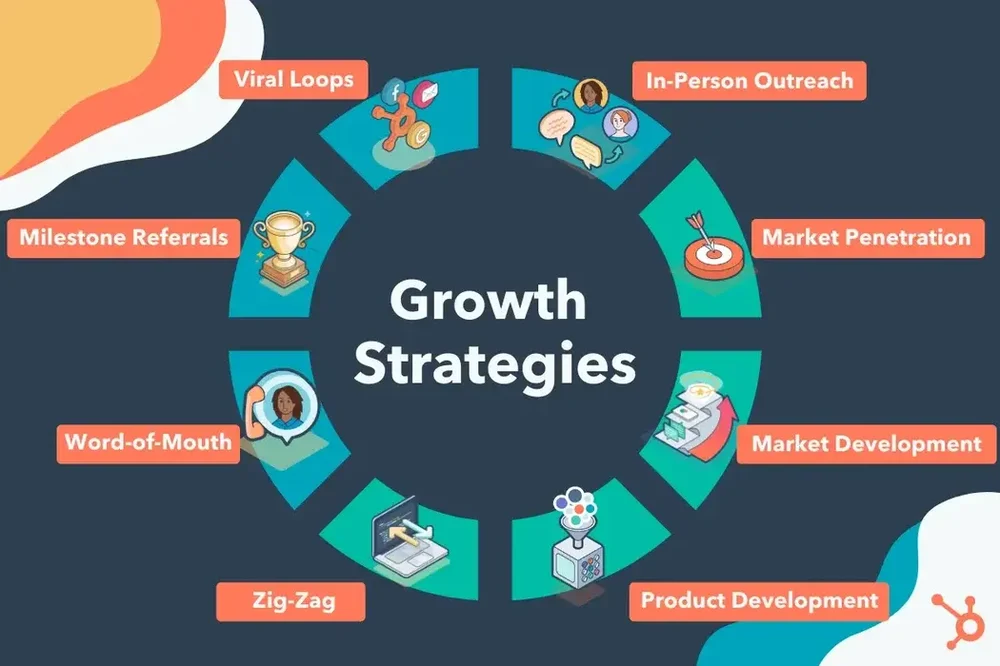
Running a successful business is not only about having a great idea. A company also needs a smart business plan to grow, compete, and stay successful in the market. Every CEO should understand how to create strong business strategies that help the company move in the right direction.
Good business planning helps companies manage risks, improve profits, attract customers, and achieve long-term goals. Without proper planning, businesses can face confusion, financial problems, and slow growth.
In this article, we will discuss smart business planning strategies every CEO should know in easy language.
What Is Business Planning?
Business planning means creating a roadmap for the company’s future. It helps business owners and CEOs decide:
- What the company wants to achieve
- How goals will be reached
- What resources are needed
- How to solve future challenges
A smart business plan helps companies stay organized and focused.
Why Business Planning Is Important
Business planning is important because it:
- Improves decision-making
- Reduces business risks
- Helps manage finances properly
- Supports company growth
- Increases productivity
- Helps businesses compete in the market
Companies with strong planning often grow faster than businesses without clear strategies.
1. Set Clear Business Goals
One of the first things every CEO should do is set clear and realistic business goals.
Goals help employees understand what the company wants to achieve. These goals can include:
- Increasing sales
- Growing customer base
- Expanding to new markets
- Improving customer service
- Launching new products
Clear goals help businesses stay focused and motivated.
2. Understand Your Target Market
A successful business strategy always starts with understanding customers.
CEOs should know:
- Who their customers are
- What customers need
- What problems customers face
- What customers expect from the company
Market research helps businesses create better products and services.
Companies that understand their audience can attract more customers and improve sales.
3. Analyze Competitors
Smart CEOs always study their competitors.
Competitor analysis helps businesses understand:
- Competitor strengths
- Competitor weaknesses
- Pricing strategies
- Marketing methods
- Customer service quality
This information helps companies improve their own strategies and stay ahead in the market.
4. Create a Strong Financial Plan
Financial planning is one of the most important parts of business success.
- Business expenses
- Cash flow
- Investments
- Profit margins
- Emergency funds
A strong financial plan helps companies avoid financial problems and maintain stable growth.
Businesses should also regularly review financial reports to track performance.
5. Focus on Digital Growth
Today, digital marketing plays a huge role in business success.
CEOs should invest in:
- SEO (Search Engine Optimization)
- Social media marketing
- Email marketing
- Content marketing
- Online advertising
Digital strategies help companies reach more customers and increase brand visibility.
Businesses that ignore digital growth may lose opportunities in today’s competitive market.
6. Build a Strong Team
Employees are one of the biggest strengths of any company.
Successful CEOs focus on:
- Hiring skilled employees
- Providing training
- Encouraging teamwork
- Creating a positive work culture
A motivated team helps businesses improve productivity and customer satisfaction.
Strong leadership also helps employees feel valued and engaged.
7. Use Data for Better Decisions
Modern businesses should use data to improve decision-making.
Business data can help CEOs understand:
- Customer behavior
- Sales trends
- Marketing performance
- Business growth areas
Using data reduces guesswork and helps companies make smarter decisions.
Many successful companies use analytics tools to track performance and improve strategies.
8. Prepare for Business Risks
Every business faces risks such as:
- Economic changes
- Market competition
- Technology changes
- Financial losses
- Customer behavior shifts
Smart CEOs always create backup plans for difficult situations.
Risk management helps businesses stay prepared during unexpected challenges.
9. Focus on Customer Satisfaction
Customers are the heart of every successful business.
Companies should:
- Listen to customer feedback
- Improve service quality
- Solve customer problems quickly
- Build trust with customers
Happy customers often become repeat buyers and recommend the business to others.
Good customer relationships help businesses grow faster.
10. Keep Improving Your Strategy
Business planning is not a one-time process.
Markets change regularly, so CEOs should review and improve strategies often.
Businesses should:
- Track performance
- Analyze results
- Learn from mistakes
- Adapt to market trends
Continuous improvement helps companies stay competitive and successful.
Conclusion
Smart business planning is very important for long-term success. Every CEO should focus on clear goals, financial management, digital growth, customer satisfaction, and strong leadership.
A successful business strategy helps companies grow, reduce risks, and improve profits. Businesses that plan carefully are more likely to succeed in today’s competitive market.
By using smart business planning strategies, CEOs can build stronger companies and achieve long-term business success.
Frequently Asked Questions (FAQs)
1. What is business planning?
Business planning is the process of creating goals and strategies to help a company grow and succeed.
2. Why is business planning important for CEOs?
Business planning helps CEOs make better decisions, manage risks, improve profits, and achieve company goals.
3. How can digital marketing help business growth?
Digital marketing helps businesses reach more customers, improve online visibility, and increase sales.
4. What is competitor analysis in business?
Competitor analysis means studying competitors to understand their strengths, weaknesses, and business strategies.
5. How often should businesses update their strategies?
Businesses should review and improve their strategies regularly to stay competitive and adapt to market changes.
