

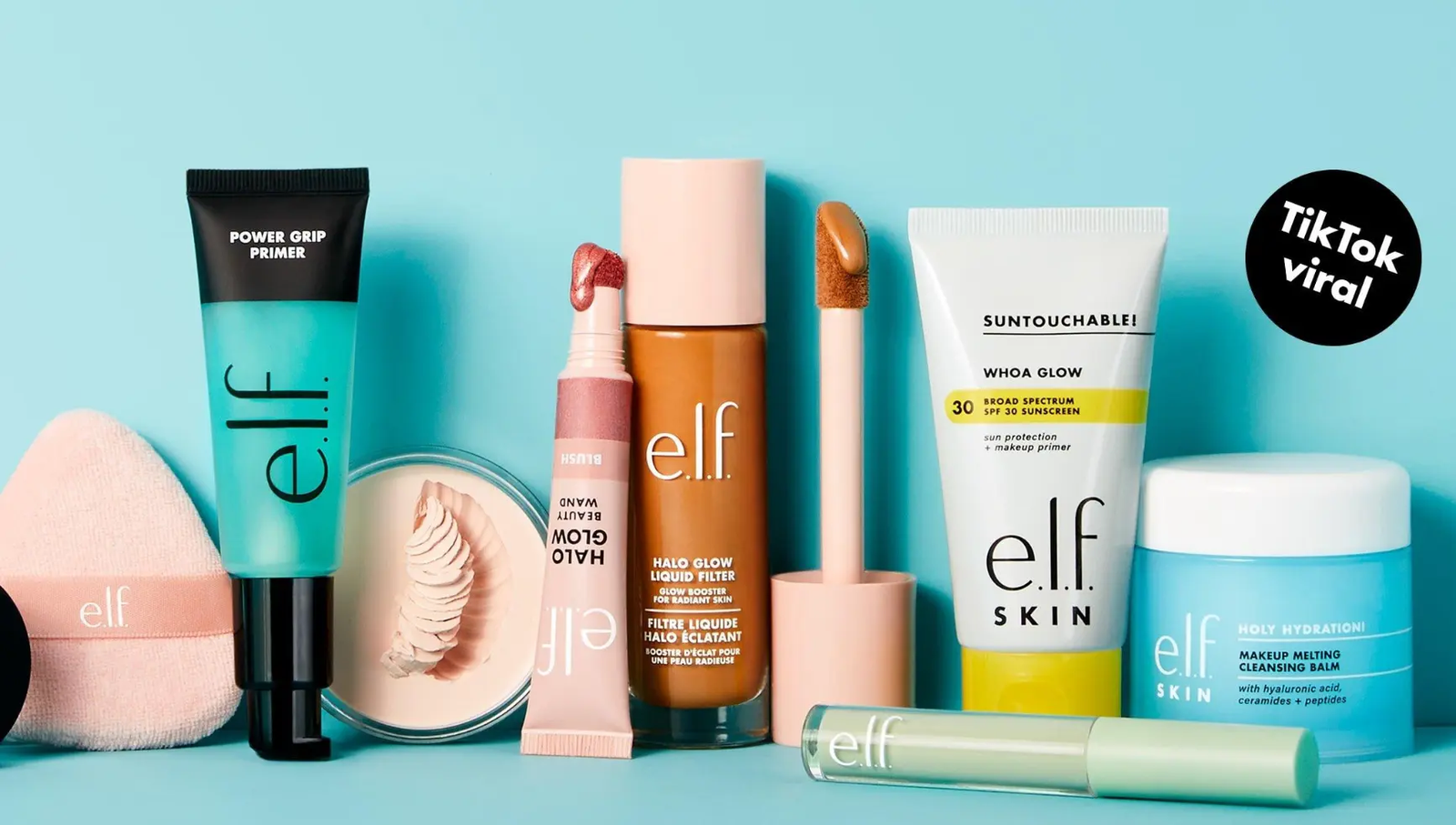
The Brand That Turned TikTok Into Its Personal Playground
Introduction: A Beauty Brand That Cracked the Algorithm
e.l.f. Cosmetics didn’t just join TikTok—it mastered it. At a time when most legacy beauty brands were still experimenting cautiously with social media, e.l.f. moved aggressively, turning TikTok into a primary growth engine.
The result? Explosive Gen Z engagement, viral campaigns, and a brand identity deeply embedded in internet culture.
The Breakthrough Moment: #EyesLipsFace Campaign
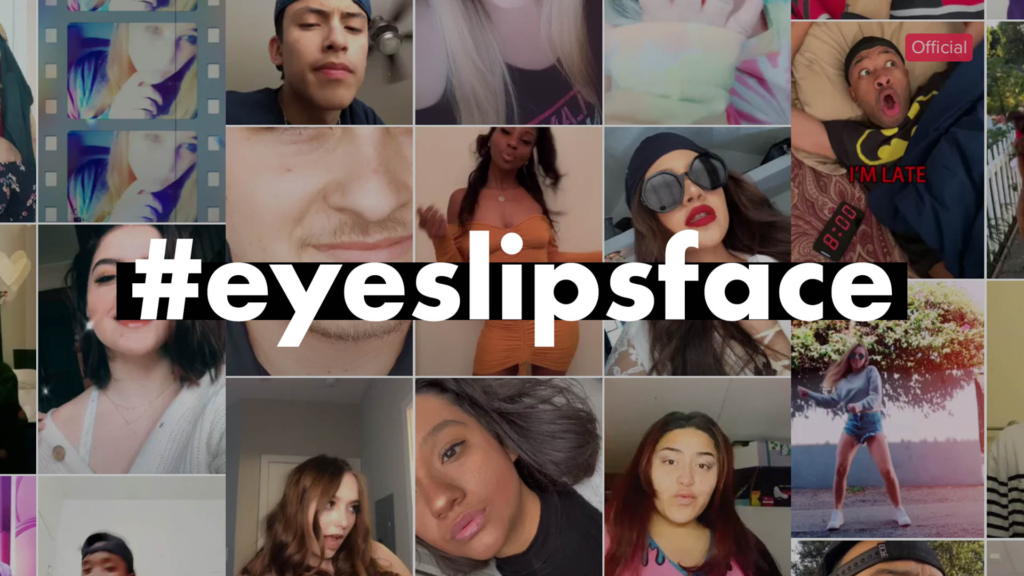
The First Viral Brand Challenge
In 2019, e.l.f. launched the #EyesLipsFace challenge—one of TikTok’s first-ever branded viral campaigns.
Instead of repurposing traditional ads, the brand:
- Created an original song specifically for TikTok
- Encouraged users to participate creatively
- Collaborated with influencers from day one
The campaign generated billions of views, making it one of the most successful branded hashtag challenges in TikTok history.
Why Gen Z Connected Instantly
1. Native Content, Not Ads
Unlike traditional brands, e.l.f. didn’t treat TikTok like a billboard. It created content that felt like TikTok:
- Short, engaging, and trend-driven
- Music-first storytelling
- Creator-led rather than brand-led
This made the brand feel authentic—critical for Gen Z audiences.
2. Music as a Growth HackThe #EyesLipsFace song wasn’t just background audio—it was the campaign.
By launching a custom track, e.l.f.:
- Controlled the trend
- Encouraged repeat usage
- Embedded the brand name directly into the content
This was a strategic move that many brands later copied.
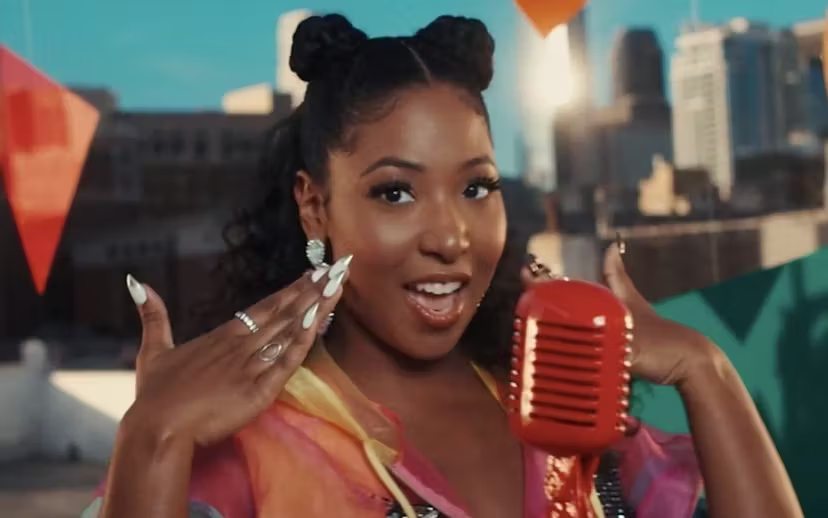
3. Creator-First Strategy
e.l.f. partnered with TikTok creators early—before influencer marketing became saturated.
Instead of polished ads, creators made:
- Tutorials
- Skits
- Challenges
This decentralized content approach allowed the brand to scale organically across thousands of videos.
Turning TikTok Into a Brand Engine
Always-On Trend Participation
TikTok thrives on trends—and e.l.f. built an internal system to respond quickly.
The brand consistently:
- Jumped on viral sounds
- Adapted memes to beauty content
- Published content at high frequency
This made TikTok feel like the brand’s “home turf.”
Community Over Perfection
e.l.f. embraced:
- Humor
- Imperfection
- Relatable content
Instead of aspirational beauty, it leaned into real, everyday users—aligning perfectly with Gen Z values.
Data, Speed, and Experimentation
Testing at Scale
e.l.f. treats TikTok like a testing lab:
- Rapid content iteration
- A/B testing creative formats
- Doubling down on what works
This performance-driven mindset allowed the brand to stay ahead of trends.
Affordable Products + Viral Reach
The brand’s low price point made it easy for viewers to convert into customers. Viral content wasn’t just awareness—it drove actual sales.
The Business Impact
The TikTok strategy helped transform e.l.f. into one of the fastest-growing beauty brands in the U.S.:
- Significant revenue growth post-2019
- Increased market share among Gen Z consumers
- Strong brand recall driven by viral campaigns
What started as a campaign evolved into a long-term competitive advantage.
Key Takeaways: How e.l.f. Won TikTok
1. Build for the Platform
e.l.f. created content native to TikTok, not adapted from other channels.
2. Turn Campaigns Into Culture
The #EyesLipsFace challenge wasn’t just marketing—it became part of TikTok culture.
3. Move Fast
Speed and consistency allowed the brand to stay relevant in a fast-changing ecosystem.
4. Empower Creators
Creators—not the brand—drove the majority of content and reach.
Conclusion: A Blueprint for Modern Brands
e.l.f. Cosmetics didn’t just go viral—it redefined how brands operate on social media.
By combining music, creators, and platform-native storytelling, it turned TikTok into its personal playground. For marketers, the lesson is clear: the future belongs to brands that don’t interrupt culture—but participate in it.
FAQ: e.l.f. Cosmetics and TikTok Success
1. What made e.l.f. Cosmetics go viral on TikTok?
The #EyesLipsFace campaign, original music, and creator-led content strategy drove massive engagement.
2. Why did Gen Z connect with e.l.f.?
Authentic, relatable, and trend-driven content aligned with Gen Z preferences.
3. How important was music in the campaign?
Music was central—it made the campaign repeatable and shareable.
4. Did TikTok actually drive sales for e.l.f.?
Yes, viral visibility combined with affordable pricing led to strong conversions.
5. Can other brands replicate this success?
Yes, but only by creating platform-native content and empowering creators rather than relying on traditional ads.
