

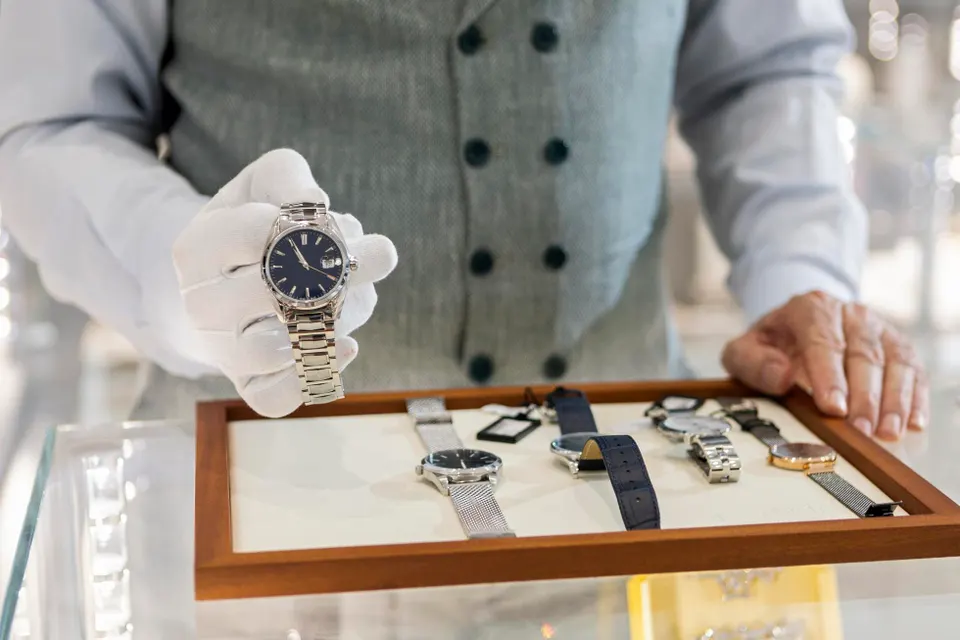
The luxury industry is going through an important change. For many years, luxury brands focused on expensive products, famous logos, exclusive stores, and traditional status symbols. Owning a designer handbag, luxury watch, or expensive car was often seen as a sign of success.
Today, luxury consumers are looking for something different. They still appreciate high-quality products, but they also want personal experiences, authenticity, sustainability, and products that reflect their lifestyle.
A new generation of luxury shoppers is changing the industry. Millennials and Gen Z consumers are becoming more influential, while modern high-income buyers are also changing how they spend their money.
So, what does the new luxury consumer really want? Let’s explore the biggest trends shaping the future of luxury shopping.
1. Personal Experiences Over Expensive Products
Modern luxury consumers are not interested in buying expensive products just to show their wealth. They want experiences that make them feel special.
Luxury travel, private dining, exclusive events, wellness retreats, and personalized shopping experiences are becoming increasingly attractive.
For example, some consumers would rather spend money on a luxury holiday in the Maldives than purchase another designer handbag. Others prefer private shopping appointments, personalized hotel services, and unique travel experiences.
Luxury brands are responding by creating experiences that connect emotionally with customers.
This shows that luxury is no longer only about what people own. It is also about what they experience.
2. Quality Matters More Than Brand Logos
In the past, visible logos were an important part of luxury fashion. People often purchased products because they wanted others to recognize the brand.
However, many modern consumers are becoming more interested in quality, craftsmanship, and timeless design.
This trend is often connected with quiet luxury. It focuses on elegant clothing, premium materials, simple designs, and excellent finishing without large logos.
Brands such as Loro Piana and The Row are often associated with this style.
Today’s luxury shoppers want products that look beautiful, feel comfortable, and last for years.
They are increasingly asking an important question: Is this product worth its price?
3. Sustainability Is Becoming Important
Modern consumers are paying more attention to how luxury products are made.
They want to know where materials come from, how workers are treated, and whether brands are reducing their environmental impact.
Sustainable fashion, recycled materials, responsible sourcing, and long-lasting products are becoming important topics in luxury shopping.
Some luxury consumers also prefer pre-owned designer products because they offer access to premium brands while supporting product reuse.
Luxury resale platforms and second-hand designer marketplaces have helped make this market more accessible.
However, customers also expect brands to provide real information rather than simply using sustainability as a marketing message.
Transparency and genuine action are becoming important parts of luxury brand reputation.
4. Personalization Is the New Luxury Standard
Today’s customers want products and services that feel personal.
They do not always want the same experience as everyone else. They appreciate brands that understand their preferences and offer customized solutions.
Personalization can include:
- Customized handbags and accessories.
- Personalized skincare recommendations.
- Made-to-measure clothing.
- Exclusive product collections.
- Private shopping experiences.
- Personalized travel packages.
Technology is helping luxury brands provide these services.
Artificial intelligence can help brands understand customer preferences, recommend suitable products, and improve online shopping experiences.
For example, a luxury beauty brand may recommend skincare products based on a customer’s needs and previous purchases.
For modern luxury consumers, feeling understood is an important part of feeling valued.
5. Digital Shopping Is Changing Luxury Retail
Luxury shopping is no longer limited to physical boutiques.
Customers now discover designer products through Instagram, TikTok, YouTube, brand websites, and online fashion magazines.
Social media has become an important platform for luxury brands to connect with younger audiences.
Customers can explore new collections, watch product videos, follow fashion influencers, and compare products before visiting a store.
Many luxury brands are also improving their websites with virtual consultations, personalized recommendations, and premium online customer service.
However, physical stores still matter. Customers often want to touch materials, try products, and enjoy personal assistance before making expensive purchases.
The future of luxury retail will likely combine digital convenience with traditional in-store experiences.
6. Authenticity and Brand Values Matter
Modern luxury shoppers want more than attractive products. They want to connect with brands that have a clear identity and meaningful values.
Customers are increasingly interested in brand history, creative direction, craftsmanship, and the people behind a business.
For example, a fashion brand with a strong heritage and unique design philosophy can create an emotional connection with customers.
Authenticity also means being honest about product quality, pricing, sourcing, and business practices.
Luxury consumers can easily access online reviews, customer experiences, and independent product information.
As a result, brands cannot depend only on advertising. They must build trust through consistent quality and genuine customer relationships.
7. Wellness and Lifestyle Are Becoming Part of Luxury
Luxury is expanding beyond fashion, jewellery, watches, and automobiles.
Wellness, fitness, mental relaxation, and healthy living are becoming important parts of the luxury lifestyle.
Premium wellness resorts, private fitness clubs, luxury spas, personalized nutrition services, and wellness travel are attracting customers who want to invest in their personal well-being.
For many modern consumers, having more time, better health, and less stress is becoming a valuable form of luxury.
This shift also shows that luxury is becoming more personal. People are choosing products and services that improve their daily lives.
8. What Do Gen Z and Millennial Luxury Consumers Want?
Gen Z and Millennial shoppers are influencing the future of the luxury industry.
Although their preferences are different, many younger consumers share several expectations.
They want:
- Unique products that express their personality.
- Strong brand identity and authentic storytelling.
- High-quality products with long-term value.
- Sustainable and responsible business practices.
- Easy digital shopping experiences.
- Exclusive experiences and limited collections.
- Brands that communicate openly on social media.
Younger shoppers may discover a luxury brand through a social media video, research its history online, and finally purchase from its official website or boutique.
This makes digital visibility and customer engagement extremely important for luxury businesses.
9. The Future of the Luxury Industry
The future of luxury will not depend only on higher prices or famous brand names.
Successful luxury brands will need to understand what customers value and how their expectations are changing.
Some important developments likely to shape the industry include:
AI-powered personalization: Brands will use technology to create more relevant shopping experiences.
Luxury resale: Pre-owned designer fashion and accessories will remain an important part of the luxury market.
Experiential luxury: Travel, wellness, dining, and exclusive events will continue to attract customers.
Responsible production: Consumers will expect more transparency about materials, sourcing, and manufacturing.
Digital innovation: Social media, online boutiques, and virtual customer services will influence how people discover and purchase luxury products.
Brands that combine quality, creativity, trust, and customer experience will be better positioned to attract modern luxury shoppers.
Conclusion
Luxury has a new consumer, and their expectations are changing the industry.
Today’s shoppers want more than expensive products and recognizable logos. They want quality, personal experiences, authenticity, sustainability, and products that match their values.
While traditional luxury elements such as craftsmanship and exclusivity remain important, modern consumers are redefining what makes something truly luxurious.
The biggest lesson for luxury brands is simple: understand the customer, create meaningful experiences, and deliver real value.
In the modern world, luxury is not just about showing wealth. It is about enjoying a lifestyle that feels personal, meaningful, and exceptional.

1 Comment
Pingback: Oracle Sells AI to the World. Then It Had to Figure Out How to Use It – americanceos.com