


When people talk about successful business turnarounds, the story of Jørgen Vig Knudstorp stands out as one of the best examples. At a time when LEGO was losing money and facing an uncertain future, Knudstorp made bold decisions that helped the company recover. Instead of expanding into too many businesses, he simplified LEGO’s operations and focused on what made the brand special.
Today, LEGO is one of the world’s most valuable toy companies, loved by children and adults alike. Much of this success is credited to Knudstorp’s clear vision and disciplined leadership.
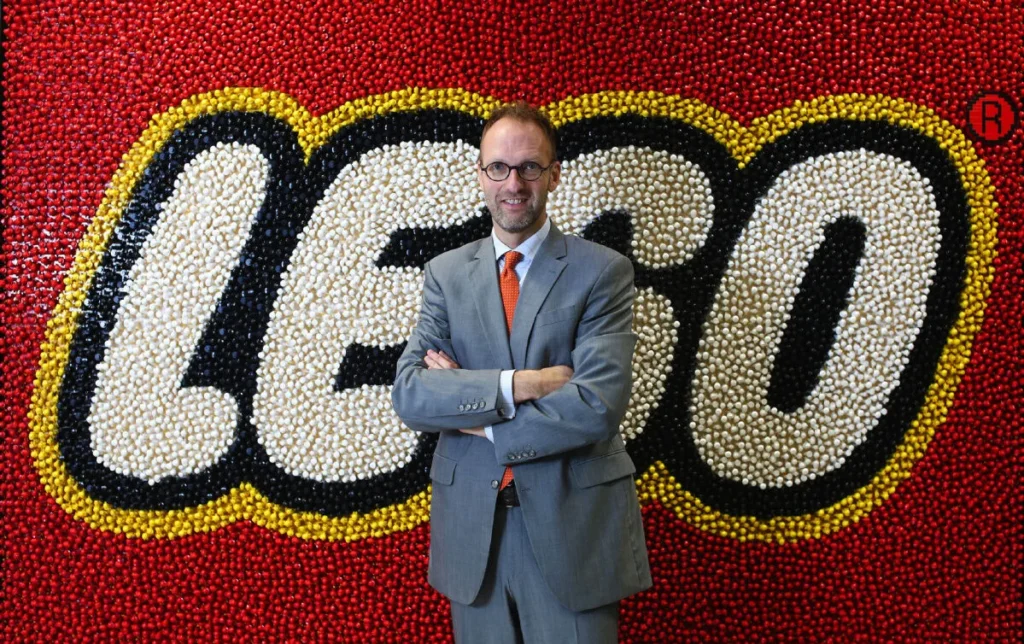
Who Is Jørgen Vig Knudstorp?
Jørgen Vig Knudstorp is a Danish business executive best known for serving as the CEO of LEGO Group from 2004 to 2016. He became the first CEO of LEGO who was not a member of the founding family.
Before becoming CEO, Knudstorp worked as a management consultant and later joined LEGO, where he quickly gained recognition for his financial expertise and strategic thinking.
His leadership transformed LEGO from a company facing heavy losses into one of the most successful global toy brands.
LEGO’s Financial Crisis
In the early 2000s, LEGO was experiencing serious financial problems. The company had expanded into many different businesses, including video games, clothing, theme parks, and other products that were far from its core toy business.
This rapid expansion created several challenges:
- Rising operating costs
- Too many product lines
- Complex manufacturing processes
- Weak profitability
- Declining sales in key markets
By 2003, LEGO reported one of the biggest financial losses in its history. Many experts believed the company might not survive without major changes.
Knudstorp’s Strategy: Simplify Everything
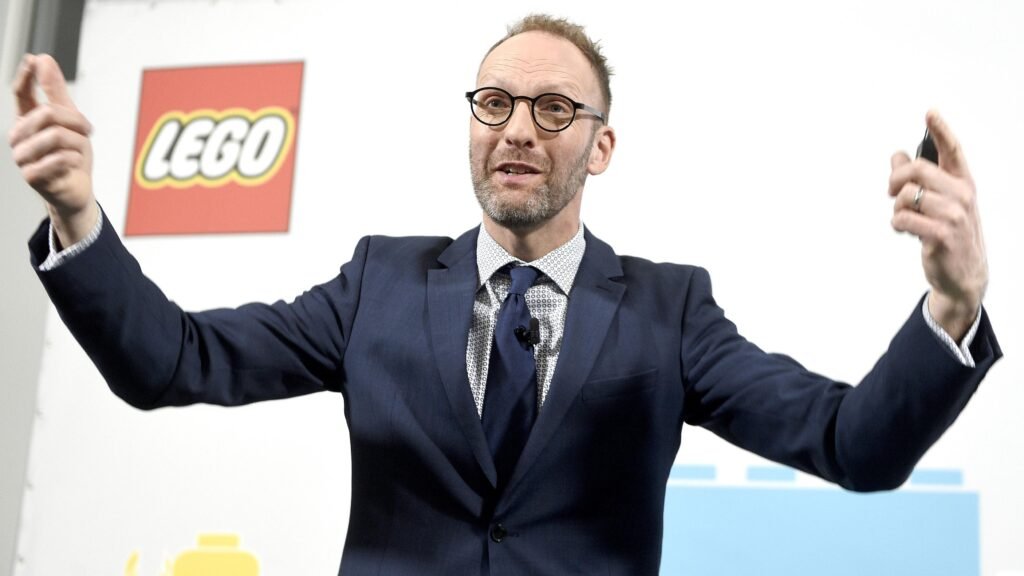
After becoming CEO, Jørgen Vig Knudstorp introduced a simple but powerful strategy: focus on what LEGO does best.
Instead of chasing every new business opportunity, he concentrated on improving LEGO’s core products.
His leadership was based on one important idea:
“Simplify the business and focus on long-term value instead of short-term expansion.”
This decision became the turning point for LEGO.
Reducing Product Complexity
One of Knudstorp’s first actions was to reduce the number of unique LEGO pieces being produced.
Over the years, LEGO had created thousands of different brick variations, making manufacturing expensive and inefficient.
His team:
- Reduced unnecessary brick designs
- Improved production efficiency
- Lowered manufacturing costs
- Simplified inventory management
These changes helped LEGO save millions while maintaining the creativity customers loved.
Focusing on Core Products
Rather than investing heavily in unrelated businesses, Knudstorp strengthened LEGO’s main product categories.
The company focused on:
- Classic LEGO building sets
- Creative play experiences
- Educational toys
- Popular licensed themes
This clear direction helped customers reconnect with the LEGO brand.
Better Financial Discipline
Knudstorp introduced stronger financial controls throughout the company.
He encouraged every department to carefully manage costs while continuing to invest in innovation.
His financial priorities included:
- Cost reduction
- Efficient supply chains
- Better inventory management
- Smarter investments
- Sustainable growth
These changes improved profitability without sacrificing product quality.
Listening to LEGO Fans
Another important part of Knudstorp’s leadership was listening to customers.
LEGO began working closely with its passionate community of builders, collectors, parents, and educators.
The company gathered feedback to understand:
- Which products customers wanted
- How children played with LEGO
- Which themes were most popular
- Opportunities for future innovation
This customer-focused approach strengthened brand loyalty.
Smart Licensing Partnerships
Instead of creating completely new businesses, LEGO partnered with well-known entertainment brands.
Popular collaborations included:
- Star Wars
- Harry Potter
- Marvel
- DC Comics
- Disney
These partnerships attracted new customers while staying true to LEGO’s building experience.
Investing in Innovation
Although Knudstorp reduced unnecessary complexity, he never stopped investing in innovation.
LEGO expanded into:
- Robotics education
- Digital experiences
- STEM learning products
- Interactive building technologies
Innovation remained connected to LEGO’s core mission of inspiring creativity through play.
Results of the Turnaround
Knudstorp’s strategy produced remarkable results.
Within a few years:
- LEGO returned to profitability.
- Global sales increased significantly.
- Brand reputation improved.
- Customer loyalty reached new heights.
- LEGO became one of the world’s most admired companies.
Today, LEGO continues to grow while staying focused on its core values.
Leadership Lessons from Jørgen Vig Knudstorp
Business leaders can learn several valuable lessons from Knudstorp’s success:
- Keep your business focused on its strengths.
- Simplicity often creates better results than complexity.
- Listen carefully to customers.
- Make decisions based on long-term value.
- Control costs without reducing quality.
- Encourage innovation that supports your core mission.
- Strong financial discipline builds sustainable growth.
Why Knudstorp’s Story Still Matters
Many companies struggle because they try to grow too quickly or expand into too many markets. Jørgen Vig Knudstorp showed that sustainable success often comes from simplifying operations, improving efficiency, and focusing on what customers truly value.
His leadership proves that even a company facing major financial challenges can recover with the right strategy, disciplined execution, and a clear vision.
Conclusion
Jørgen Vig Knudstorp’s turnaround of LEGO is one of the most inspiring business success stories of the modern era. By simplifying operations, reducing unnecessary complexity, focusing on core products, and maintaining financial discipline, he helped transform LEGO into a global leader once again.
His leadership continues to inspire CEOs, entrepreneurs, and business students around the world. The LEGO story reminds us that sometimes the best path to growth is not doing more—but doing the right things exceptionally well.
